Burning Bush: Why This Stunning Fall Shrub Should Stay Out of Your Garden
With its jaw-dropping scarlet fall display, burning bush (Euonymus alatus) might seem like the perfect addition to your landscape. But before you head to the garden center, there’s something important you need to know about this eye-catching shrub that could save your local ecosystem.
What is Burning Bush?
Burning bush, also known as winged burning bush, winged euonymus, or winged spindletree, is a deciduous shrub that originally hails from East Asia, including China, Japan, and Korea. This non-native plant has become a common sight in American gardens, prized for its spectacular autumn color that literally looks like the shrub is on fire.
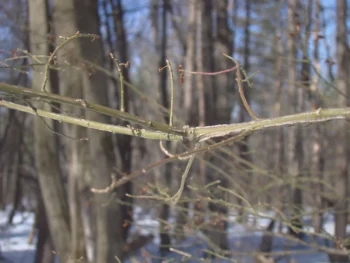
The plant gets one of its common names from the distinctive corky wings that develop along its stems, giving it an interesting architectural quality even in winter. As a perennial shrub, burning bush typically grows 6-10 feet tall and wide, though it can reach up to 15 feet under ideal conditions.
Where Does Burning Bush Grow?
Currently, burning bush has established populations across much of eastern North America, including Ontario and states from Connecticut down to Georgia and as far west as Iowa and Missouri. It’s also found in Montana, showing just how adaptable this plant can be.
- Species observed
- No observations
The Problem: An Invasive Beauty
Here’s where things get complicated. While burning bush creates stunning fall landscapes, it’s classified as invasive in multiple states including Connecticut, Delaware, Maryland, Missouri, New Hampshire, North Carolina, and Wisconsin. Some states have even regulated its sale and planting.
Why is this a problem? Burning bush is incredibly good at what it does – maybe too good. It:
- Spreads rapidly into natural areas
- Outcompetes native plants that wildlife depends on
- Forms dense thickets that crowd out biodiversity
- Provides minimal value to pollinators and wildlife
The plant’s small, inconspicuous flowers offer little nectar for pollinators, and while birds do eat the berries, they’re not particularly nutritious compared to native alternatives.
Growing Conditions and Care
Part of what makes burning bush so invasive is its incredible adaptability. It thrives in USDA hardiness zones 4-8 and tolerates:
- Full sun to partial shade
- Various soil types, from clay to sandy
- Drought conditions once established
- Urban pollution
- Heavy pruning
This adaptability means it requires minimal care once planted, but it also means it can establish itself almost anywhere in the landscape – and beyond.
Better Alternatives for Your Garden
The good news? There are plenty of native alternatives that offer similar aesthetic appeal without the ecological baggage:
- Spicebush (Lindera benzoin) – Gorgeous golden fall color, native to eastern North America
- Serviceberry (Amelanchier species) – Spring flowers, fall color, and berries for wildlife
- Ninebark (Physocarpus opulifolius) – Interesting bark, white flowers, and colorful foliage varieties
- Native viburnums – Excellent fall color, flowers for pollinators, berries for birds
The Bottom Line
While burning bush might catch your eye at the garden center with promises of easy care and stunning fall color, it’s best left on the shelf. Its invasive nature means it can quickly become your local ecosystem’s problem, crowding out the native plants that support local wildlife.
Instead, choose native alternatives that offer similar beauty while supporting the birds, bees, and butterflies that make our gardens truly come alive. Your local environment will thank you, and you’ll still get that gorgeous fall display you’re after – just in a more eco-friendly package.
Remember: the most beautiful garden is one that works in harmony with nature, not against it.