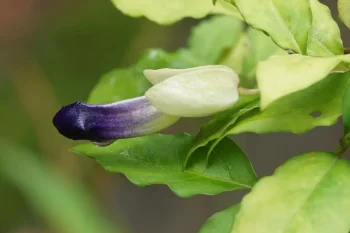
Bush Clockvine: A Colorful Non-Native Bloomer for Warm Gardens
If you’re looking for a flowering shrub that delivers consistent color in warm climates, bush clockvine (Thunbergia erecta) might catch your eye. This non-native perennial shrub has made itself at home in parts of the southern United States, offering gardeners purple blooms with sunny yellow centers throughout much of the year.
What Is Bush Clockvine?
Bush clockvine, scientifically known as Thunbergia erecta, is a multi-stemmed woody shrub that typically grows to about 13-16 feet tall, though it’s often kept smaller in cultivation. Originally from tropical Africa, this perennial has established itself as a non-native species in Florida and Puerto Rico, where it reproduces on its own in the wild.
You might also see it listed under its botanical synonym, Meyenia erecta, in older gardening references.
Where Does It Grow?
In the United States, bush clockvine has naturalized in Florida and Puerto Rico. It thrives in USDA hardiness zones 9-11, making it suitable for gardeners in the warmest parts of the country.
- Species observed
- No observations
Why Gardeners Choose Bush Clockvine
There are several reasons why this non-native shrub appeals to warm-climate gardeners:
- Extended bloom time: Purple tubular flowers with bright yellow throats appear year-round in ideal conditions
- Pollinator magnet: Butterflies and hummingbirds are drawn to the colorful blooms
- Low maintenance: Once established, it’s quite drought tolerant
- Versatile use: Works well as a border plant, in mixed shrub plantings, or even in large containers
Growing Conditions and Care
Bush clockvine is relatively easy to please if you can provide the right environment:
Light: Prefers full sun but tolerates partial shade. More sun typically means more flowers.
Soil: Well-draining soil is essential. It can adapt to various soil types but doesn’t like to sit in waterlogged conditions.
Water: Regular watering helps establish young plants, but mature shrubs are quite drought tolerant. Interestingly, its water tolerance varies by location – in coastal areas, it can handle some wetland conditions, while in Caribbean climates, it strongly prefers upland, drier sites.
Temperature: Hardy in zones 9-11, it can’t tolerate frost or freezing temperatures.
Planting and Care Tips
Getting bush clockvine established in your garden is straightforward:
- Plant after the last frost date in your area
- Space plants 3-4 feet apart to allow for mature spread
- Water regularly during the first growing season to establish roots
- Prune occasionally to maintain shape and encourage bushier growth
- In containers, ensure adequate drainage holes
A Word About Native Alternatives
While bush clockvine isn’t considered invasive, it’s worth noting that this is a non-native species. If you’re interested in supporting local ecosystems, consider these native alternatives that offer similar benefits:
- Firebush (Hamelia patens) – attracts hummingbirds with orange-red tubular flowers
- Wild coffee (Psychotria nervosa) – provides berries for birds and works well in partial shade
- Coontie (Zamia integrifolia) – supports native butterfly larvae
These native options will provide food and habitat for local wildlife while still giving you the ornamental appeal you’re seeking.
The Bottom Line
Bush clockvine can be a reliable, colorful addition to warm-climate gardens, especially if you’re looking for consistent blooms and pollinator activity. While it’s not native to North America, it’s not currently flagged as problematic either. If you decide to grow it, you’ll likely enjoy its easy-care nature and cheerful flowers. Just remember to consider native alternatives that might offer even greater benefits to your local ecosystem.
Whether you choose bush clockvine or a native alternative, the key is creating a garden that brings you joy while being mindful of the broader environmental picture.