Butomus: A Beautiful but Controversial Water Garden Plant
If you’ve been searching for an eye-catching aquatic plant to add drama to your water garden, you’ve probably stumbled across butomus. This perennial beauty has been making waves in North American gardens – both literally and figuratively – but before you dive in, there are some important things every gardener should know about this non-native species.
What Exactly is Butomus?
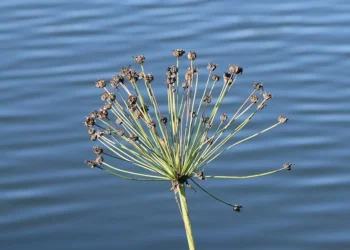
Butomus, scientifically known as Butomus umbellatus and commonly called flowering rush, is a striking aquatic perennial that originally hails from Europe and Asia. Don’t let the simple common name fool you – this plant is anything but ordinary. With its sword-like leaves reaching skyward and clusters of delicate pink flowers dancing above the water’s surface, butomus certainly knows how to make an entrance in any water feature.
Where You’ll Find Butomus Growing Wild
This adaptable plant has established itself across a surprisingly wide range of North America. You can find butomus growing wild throughout much of Canada, including Alberta, British Columbia, Manitoba, New Brunswick, Nova Scotia, Ontario, Prince Edward Island, and Quebec. In the United States, it has spread across numerous states from Connecticut and Maine in the northeast, through the Great Lakes region including Illinois, Indiana, Michigan, Minnesota, Ohio, Pennsylvania, and Wisconsin, and even into western states like Idaho, Montana, Nebraska, North Dakota, and South Dakota.
- Species observed
- No observations
The Non-Native Reality
Here’s where things get a bit complicated. Butomus is definitely not a native North American plant – it’s what botanists call a naturalized species that reproduces on its own in the wild without any human assistance. While it has established persistent populations across both Canada and the lower 48 states, its non-native status means it’s not providing the same ecological benefits that our native plants offer to local wildlife and ecosystems.
Why Gardeners Are Drawn to Butomus
It’s not hard to see why this plant catches gardeners’ eyes. Butomus brings several appealing qualities to water gardens:
- Stunning pink flower clusters that bloom in umbrella-like formations
- Elegant, upright foliage that adds vertical interest
- Attracts pollinators like bees with its nectar-rich blooms
- Hardy across USDA zones 3-9, making it suitable for most North American gardens
- Thrives as a marginal aquatic plant along pond edges
Growing Butomus Successfully
If you decide to grow butomus, here’s how to give it the best care while being a responsible gardener:
Growing Conditions: Butomus loves full sun and thrives in shallow water or consistently wet soil. It’s perfect for pond margins, bog gardens, or the edges of water features where it can get its feet wet but still reach for the sky.
Planting Tips: The most responsible way to grow butomus is in containers, even when placing it in ponds or water gardens. This helps prevent it from spreading beyond where you want it. Plant it in a heavy, clay-based aquatic soil and place the container so the crown sits just below the water surface.
Care and Maintenance: This is generally a low-maintenance plant once established. Regular deadheading will keep it looking tidy and may help prevent unwanted self-seeding. In colder zones, the foliage will die back in winter and return in spring.
A Word of Caution and Better Alternatives
While butomus can be a beautiful addition to water gardens, its non-native status means it won’t support native wildlife the way indigenous plants do. For gardeners interested in creating habitat while still enjoying stunning aquatic plants, consider these native alternatives:
- Blue flag iris (Iris versicolor) for similar upright form with gorgeous blue flowers
- Pickerelweed (Pontederia cordata) for attractive spikes of blue-purple blooms
- Arrowhead (Sagittaria species) for distinctive foliage and white flowers
- Native sedges and rushes for texture and wildlife value
The Bottom Line on Butomus
Butomus is undeniably beautiful and can thrive in the right water garden setting. However, as conscientious gardeners, it’s worth considering whether native alternatives might better serve both our aesthetic goals and our local ecosystems. If you do choose to grow butomus, container planting and responsible management will help you enjoy its beauty while minimizing any potential impact on surrounding natural areas.
Remember, the most rewarding gardens are those that balance our personal preferences with our responsibility as stewards of the environment. Whether you choose butomus or one of its native alternatives, you’ll be creating a water feature that brings joy to both you and the wildlife that visits your garden.