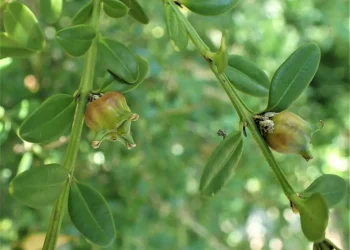
Buxus harlandii: A Mysterious Plant Worth Investigating
If you’ve stumbled across the name Buxus harlandii in your gardening research, you might be scratching your head trying to find solid information about this particular plant. You’re not alone! This botanical name presents quite the puzzle for gardeners and plant enthusiasts alike.
The Mystery of Missing Information
Here’s the thing about Buxus harlandii – it’s surprisingly difficult to pin down reliable information about this specific plant. While the genus Buxus includes well-known boxwood species that gardeners love for hedging and topiary work, Buxus harlandii doesn’t appear in major botanical databases or mainstream horticultural references.
This lack of information could mean several things: the name might be a synonym for another Buxus species, it could be a regional or local name that hasn’t gained widespread recognition, or there might be some confusion in plant identification.
What We Do Know
The genus Buxus belongs to a family of evergreen shrubs commonly known as boxwoods. These plants are typically:
- Slow-growing evergreen shrubs
- Known for their small, glossy leaves
- Popular for formal gardens and topiary
- Generally hardy and long-lived
A Word of Caution for Gardeners
Before you consider planting any Buxus species, it’s worth noting that some boxwoods can become problematic in certain regions. Without specific information about Buxus harlandii’s native range, growth habits, or invasive potential, it’s impossible to make a recommendation about whether this particular plant is suitable for your garden.
Better Safe Than Sorry: Research First
If you’re interested in boxwoods for your landscape, here’s what I’d recommend instead of pursuing this mysterious Buxus harlandii:
- Consult with local native plant societies to identify native alternatives
- Contact your local cooperative extension office for regional plant recommendations
- Look into well-documented Buxus species if you’re set on boxwood
- Consider native shrubs that offer similar aesthetic appeal and function
The Importance of Accurate Plant Identification
This situation with Buxus harlandii highlights why proper plant identification is so crucial in gardening. When plant names are unclear or information is scarce, it becomes nearly impossible to make informed decisions about growing conditions, care requirements, or potential environmental impacts.
Always verify plant names through multiple reliable sources before making planting decisions. Your garden – and local ecosystem – will thank you for the extra diligence!
Moving Forward
While the mystery of Buxus harlandii remains unsolved, this experience serves as a great reminder to thoroughly research any plant before adding it to your landscape. When in doubt, stick with well-documented native species or consult with local gardening experts who can guide you toward plants that are both beautiful and appropriate for your specific region.