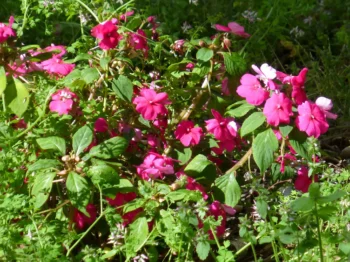
Buzzy Lizzy: A Colorful Shade Solution for Your Garden
If you’ve ever wandered through a garden center looking for something cheerful to brighten up those shadowy corners of your yard, you’ve probably encountered the delightful buzzy lizzy. Also known as busy lizzy, this popular flowering plant has been winning hearts (and filling flower beds) for generations with its non-stop blooms and easygoing nature.
What Exactly is Buzzy Lizzy?
Buzzy lizzy (Impatiens walleriana) is a tender flowering plant that belongs to the forb family – essentially a soft-stemmed plant without any woody growth. You might also see it listed under its former names like Impatiens petersiana or Impatiens sultani, but it’s all the same cheerful little plant. Depending on your climate, buzzy lizzy can behave as either an annual or perennial, though most gardeners in temperate areas treat it as a seasonal favorite.
Where Does Buzzy Lizzy Come From?
Originally hailing from the mountains of eastern Africa, particularly Kenya and Tanzania, buzzy lizzy has become a globetrotting garden star. It’s now established in various parts of the United States, including Florida, Hawaii, Ohio, and the District of Columbia, as well as territories like Puerto Rico and Guam. This adaptable plant has made itself quite at home in these new environments, reproducing and persisting without much human intervention.
- Species observed
- No observations
The Visual Appeal
What makes buzzy lizzy such a garden darling? For starters, those glossy, bright green leaves create a lush backdrop for an almost continuous parade of delicate flowers. The blooms come in a painter’s palette of colors – soft pinks, pure whites, vibrant reds, sunny oranges, and rich purples. The flowers may be small, but they’re produced in such abundance that your plants will look like they’re perpetually celebrating.
Where Buzzy Lizzy Shines in Your Landscape
Buzzy lizzy is the ultimate problem-solver for shady spots where many flowering plants fear to tread. Here’s where it works its magic:
- Shade gardens where other colorful options are limited
- Container arrangements and hanging baskets
- Annual flower beds that need reliable color
- Border plantings under trees or along north-facing walls
- Patio containers where you want low-maintenance blooms
Growing Conditions: Keeping Buzzy Lizzy Happy
The good news is that buzzy lizzy isn’t particularly fussy, but it does have some preferences. This plant is somewhat flexible about moisture – it can handle both wetland and upland conditions depending on your region, though it generally prefers consistent moisture without being waterlogged.
For optimal growth, provide:
- Partial to full shade (direct sun can stress the plants)
- Moist, well-draining soil
- Warm temperatures (it’s not frost-tolerant)
- Protection from strong winds
USDA Hardiness and Seasonal Considerations
In most areas, buzzy lizzy is grown as an annual since it can’t survive freezing temperatures. However, if you’re gardening in USDA zones 10-11, you might be able to enjoy it as a perennial. For everyone else, plan to replant each spring after the danger of frost has passed.
Planting and Care Tips
Growing buzzy lizzy successfully is refreshingly straightforward:
- Wait until nighttime temperatures consistently stay above 50°F before planting
- Space plants about 8-12 inches apart to allow for spread
- Keep soil consistently moist but not soggy
- Fertilize every few weeks during the growing season
- Deadhead spent flowers to encourage continued blooming (though it’s not absolutely necessary)
- Watch for signs of downy mildew, which can affect impatiens
Wildlife and Pollinator Considerations
While buzzy lizzy provides cheerful color for human eyes, it’s worth noting that it offers limited benefits to local wildlife and pollinators. The small flowers are primarily self-pollinating and don’t provide significant nectar resources for native bees, butterflies, or other beneficial insects.
Should You Grow Buzzy Lizzy?
Buzzy lizzy can certainly earn its place in your garden if you need reliable color in shady spots and don’t mind replanting annually. However, since it’s not native to North America, consider balancing your plantings with native alternatives that support local ecosystems. Some native options for shade include wild columbine, coral bells, or native violets, depending on your region.
If you do choose buzzy lizzy, you’ll be rewarded with months of cheerful blooms and a plant that’s forgiving of occasional care lapses. Just remember that this charming import, while beautiful, is essentially garden decoration rather than an ecological contributor to your local environment.