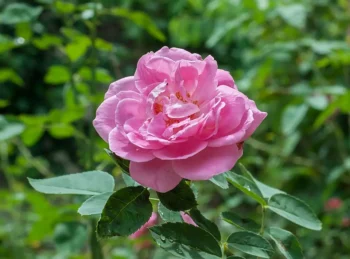
Cabbage Rose: The Fragrant Beauty That’s Not Quite Native
If you’ve ever dreamed of a rose that looks like it stepped straight out of a Renaissance painting, meet the cabbage rose (Rosa centifolia). With its impossibly full, ruffled petals and intoxicating fragrance, this classic beauty has been stealing hearts in gardens for centuries. But before you fall head over heels, let’s dig into what makes this rose special—and whether it deserves a spot in your landscape.
What Exactly Is a Cabbage Rose?
The cabbage rose gets its quirky common name from its incredibly full, layered flowers that resemble—you guessed it—a head of cabbage. These perennial shrubs are relatively compact, typically staying under 1.5 feet tall and rarely exceeding 3 feet at maturity. Don’t let their modest size fool you though; what they lack in height, they more than make up for in flower power and fragrance.
Where Does It Come From?
Here’s where things get interesting: Rosa centifolia isn’t actually native to North America. This beauty originally hails from the Caucasus region, including Georgia, Armenia, and Azerbaijan. However, it has naturalized in parts of North America, meaning it can reproduce and persist in the wild without human help.
You’ll find established populations scattered across several states and Canadian provinces, including New Brunswick, Ontario, Prince Edward Island, Connecticut, Michigan, Missouri, New Jersey, New York, Ohio, Pennsylvania, and Wisconsin.
- Species observed
- No observations
Should You Plant a Cabbage Rose?
The cabbage rose sits in an interesting middle ground—it’s non-native but isn’t considered invasive or problematic. Here’s what to consider:
The Case for Planting It:
- Absolutely stunning, fragrant flowers that are perfect for cutting
- Classic old rose charm that works beautifully in cottage gardens
- Compact size makes it suitable for smaller spaces
- Hardy and adaptable to various growing conditions
- Provides nectar and pollen for bees and other pollinators
Things to Keep in Mind:
- It’s not native, so it won’t provide the same ecological benefits as indigenous roses
- May require more maintenance than native alternatives
- Could potentially spread beyond your garden boundaries
Native Alternatives Worth Considering
If you’re leaning toward supporting native biodiversity, consider these gorgeous native roses instead:
- Wild prairie rose (Rosa arkansana)
- Virginia rose (Rosa virginiana)
- Carolina rose (Rosa carolina)
- Woods rose (Rosa woodsii)
These native beauties offer similar charm while providing superior habitat and food sources for local wildlife.
Growing Cabbage Roses Successfully
If you decide to welcome Rosa centifolia into your garden, here’s how to keep it happy:
Growing Conditions
- Sunlight: Full sun (at least 6 hours daily) for best flowering
- Soil: Well-drained, fertile soil with good organic content
- Air circulation: Ensure good airflow to prevent disease
- Hardiness: Thrives in USDA zones 4-9
Planting and Care Tips
- Plant in spring after the last frost date
- Space plants to allow for good air circulation
- Water regularly, especially during dry spells, but avoid overhead watering
- Apply a 2-3 inch layer of organic mulch around the base
- Feed with a balanced fertilizer in early spring
- Prune annually in late winter or early spring to maintain shape and health
Perfect Garden Roles
The cabbage rose shines in several garden settings:
- Cottage gardens: Its old-fashioned charm fits perfectly
- Fragrance gardens: That incredible scent makes it a must-have
- Cut flower gardens: Those full blooms are showstoppers in bouquets
- Mixed borders: Provides structure and seasonal interest
- Small spaces: Compact size works well in urban gardens
The Bottom Line
Rosa centifolia is undeniably beautiful and can be a wonderful addition to the right garden. While it’s not native, it’s also not considered problematic, putting it in a neutral zone for eco-conscious gardeners. If you choose to plant it, you’ll be rewarded with stunning, fragrant blooms and a touch of old-world romance in your landscape. Just remember to give native roses equal consideration—they might just surprise you with their own unique charm while supporting your local ecosystem.
Whatever you choose, the most important thing is creating a garden that brings you joy while being mindful of the broader environmental picture. Happy gardening!