Calabar Bean: A Fascinating but Deadly Plant You Should Never Grow
If you’ve stumbled across the name Calabar bean while researching plants for your garden, stop right there! While Physostigma venenosum might sound like an exotic addition to your landscape, this is one plant that absolutely does not belong in any home garden – and here’s why.
What is the Calabar Bean?
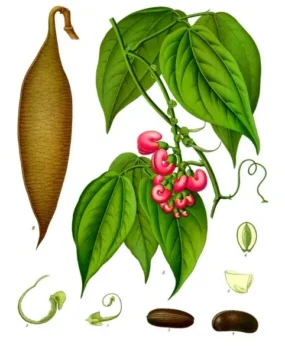
The Calabar bean is a large, woody climbing vine native to the tropical rainforests of West Africa, particularly found in countries like Nigeria, Cameroon, and Ghana. This vigorous climber can reach impressive heights as it scrambles up forest trees, producing compound leaves and clusters of purple flowers that eventually give way to large, pod-like fruits containing the infamous beans.
Why You Should Never Plant Calabar Bean
Here’s the deal: every single part of this plant is extremely toxic. The seeds contain physostigmine, a powerful alkaloid that has historically been used as an ordeal poison in traditional justice systems. Even tiny amounts can be lethal to humans and animals. This isn’t a plant where you can simply be careful – the risk is just too great for any home gardener.
Growing Conditions (For Educational Purposes Only)
While we absolutely don’t recommend growing this plant, understanding its needs helps explain why it’s not garden-suitable anyway:
- Requires tropical rainforest conditions with high humidity
- Needs consistently warm temperatures year-round
- Only hardy in USDA zones 11-12
- Prefers rich, well-draining soil with regular moisture
- Requires strong support structures due to its vigorous climbing habit
Better Alternatives for Your Garden
If you’re drawn to the idea of a flowering vine, there are many safer native options depending on your location. Consider these alternatives:
- Native honeysuckles for hummingbird-friendly flowers
- Native clematis species for showy blooms
- Crossvine or trumpet vine for tropical-looking flowers
- Native grapes for wildlife value and potential fruit
The Bottom Line
While the Calabar bean is certainly a fascinating plant from an botanical perspective, it has no place in residential gardens or landscapes. Its extreme toxicity makes it dangerous to children, pets, and wildlife. Instead of risking safety, focus on the many beautiful and beneficial native vines that can provide the climbing, flowering appeal you’re looking for without the deadly consequences.
Remember: gardening should be about creating beautiful, safe spaces that support both your family and local ecosystems. The Calabar bean, despite its interesting history and appearance, simply doesn’t fit that bill.