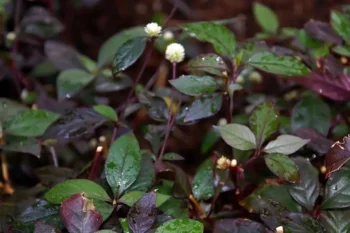
Calicoplant: A Colorful Foliage Plant for Warm Climate Gardens
If you’re looking to add a splash of vibrant color to your garden without relying on flowers, calicoplant (Alternanthera bettzichiana) might catch your eye. This cheerful little plant brings year-round color through its stunning variegated foliage, making it a popular choice for gardeners who want something a bit different from the usual green backdrop.
What is Calicoplant?
Calicoplant is a low-growing perennial forb that’s all about the leaves. While most plants rely on their blooms for visual impact, this South American native puts on a show with foliage that comes in eye-catching combinations of red, pink, green, and yellow. The plant forms neat, compact mounds that rarely exceed a foot in height, making it perfect for edging or filling in small spaces.
Originally hailing from Brazil and other parts of South America, calicoplant has made itself at home in warmer regions of the United States. You’ll find it growing in California, Florida, Hawaii, Maryland, Texas, Puerto Rico, and the Virgin Islands, where it has established itself as a non-native species that reproduces on its own.
- Species observed
- No observations
Why Choose Calicoplant for Your Garden?
The main draw of calicoplant is undoubtedly its colorful foliage. Unlike many plants that offer brief bursts of color through flowers, this plant provides consistent visual interest throughout the growing season. Here’s what makes it appealing:
- Vibrant, variegated leaves in multiple color combinations
- Compact, tidy growth habit perfect for borders and containers
- Heat tolerance makes it suitable for challenging sunny spots
- Low maintenance once established
- Works well as a colorful ground cover in small areas
Garden Design and Landscape Uses
Calicoplant shines in several garden settings. Its compact size and bold colors make it an excellent choice for:
- Border edging along pathways or garden beds
- Container gardens and hanging baskets
- Tropical and subtropical landscape designs
- Annual bedding displays in cooler climates
- Small-scale ground cover applications
The plant’s mounding habit creates neat, defined shapes that work particularly well in formal garden designs or anywhere you want a pop of organized color.
Growing Conditions and Care
Calicoplant is relatively easy to grow if you can provide the warm conditions it craves. Here’s what it needs to thrive:
Climate: This plant performs best in USDA hardiness zones 9-11, where it can live as a true perennial. In cooler areas, treat it as an annual and replant each year after the last frost.
Light: Full sun to partial shade works well, though the most vibrant foliage colors develop in bright light.
Soil: Well-draining soil is essential. The plant isn’t particularly picky about soil type but doesn’t tolerate waterlogged conditions.
Water: Regular moisture keeps the plant looking its best, but avoid overwatering.
Planting and Care Tips
Getting calicoplant established is straightforward if you time it right:
- Plant after all danger of frost has passed in spring
- Space plants about 8-12 inches apart for proper air circulation
- Pinch off any small flowers that appear to keep energy focused on foliage production
- Water regularly during dry spells, but ensure good drainage
- In container gardens, use a well-draining potting mix
Considerations for Responsible Gardening
While calicoplant can be an attractive addition to warm-climate gardens, it’s worth remembering that this is a non-native species that has established itself in the wild in several U.S. states and territories. As responsible gardeners, we can enjoy non-native plants while also supporting our local ecosystems.
If you’re interested in achieving similar colorful foliage effects with native plants, consider exploring indigenous species that offer interesting leaf colors or patterns. Your local native plant society or extension office can suggest alternatives that provide visual interest while supporting local wildlife and pollinators.
The Bottom Line
Calicoplant offers an easy way to add reliable color to warm-climate gardens through its attractive foliage. While it won’t support local pollinators like native flowering plants do, it can serve as an attractive accent in mixed plantings. Just remember to pair it with native plants that provide ecological benefits, creating a garden that’s both beautiful and beneficial to local wildlife.
Whether you choose to grow calicoplant or explore native alternatives, the key is creating a garden space that brings you joy while being mindful of the broader ecological picture. Happy gardening!