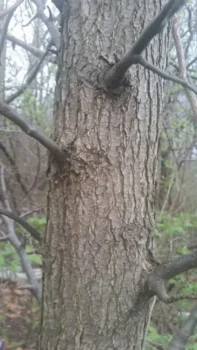
Callery Pear: Why This Beautiful Tree Should Never Be Planted
If you’ve ever driven through a suburban neighborhood in spring and noticed trees covered in clouds of white flowers, chances are you’ve spotted Callery pear (Pyrus calleryana). While this tree might look stunning for a few weeks each year, it’s actually one of the most problematic invasive species plaguing American landscapes today.
What is Callery Pear?
Callery pear is a perennial, woody tree that typically grows 13 to 16 feet or taller, though it can sometimes develop a shorter, multi-stemmed growth form under certain conditions. Originally from eastern Asia, this non-native species has been introduced to the United States where it now reproduces spontaneously in the wild and persists without any human help.
Where You’ll Find It (Unfortunately)
This invasive tree has spread across much of the eastern United States, currently growing wild in Alabama, Arkansas, Connecticut, Delaware, District of Columbia, Florida, Georgia, Illinois, Indiana, Kentucky, Louisiana, Maryland, Massachusetts, Mississippi, New Jersey, New York, North Carolina, Ohio, Oklahoma, Pennsylvania, South Carolina, Tennessee, Texas, Virginia, and West Virginia.
- Species observed
- No observations
The Invasive Problem
Here’s where things get serious. Callery pear has been officially classified as invasive in multiple states:
- Alabama: Category 2 invasive status
- Delaware: Invasive
- Maryland: Tier 2 invasive
- Missouri: Invasive (DOC, IPC)
- North Carolina: Invasive
This means the tree actively harms local ecosystems by outcompeting native plants, offering little to no wildlife value, and creating dense thickets that crowd out beneficial native species.
Why Gardeners Should Avoid Planting Callery Pear
Despite its brief spring beauty, Callery pear is a poor choice for several reasons:
- Environmental damage: It crowds out native plants that support local wildlife
- Poor wildlife value: Offers minimal benefits to native pollinators and birds
- Structural problems: Branches are prone to breaking in storms
- Invasive spread: Birds spread the seeds, creating new infestations
- Unpleasant odor: The spring flowers have a distinctly fishy smell
Growing Conditions (For Identification Purposes Only)
If you need to identify Callery pear for removal purposes, it thrives in USDA hardiness zones 4-8. The tree tolerates various soil types and is quite drought tolerant once established, preferring full sun conditions. This adaptability is part of what makes it such a successful invader.
Better Native Alternatives
Instead of planting Callery pear, consider these beautiful native alternatives that provide similar spring appeal while supporting local ecosystems:
- Serviceberry (Amelanchier species): White spring flowers, edible berries, gorgeous fall color
- Redbud (Cercis canadensis): Pink spring blooms, heart-shaped leaves
- Dogwood (Cornus florida): Showy white or pink spring flowers, excellent wildlife value
- American Plum (Prunus americana): White spring flowers, fruit for wildlife
What to Do If You Already Have One
If you currently have a Callery pear on your property, consider having it professionally removed and replaced with a native alternative. Many states and local organizations offer removal programs or incentives for replacing invasive trees with native species.
The bottom line? While Callery pear might catch your eye with its spring display, it’s a tree that gives very little back to the environment while taking a lot away from native ecosystems. Choose native alternatives instead – your local wildlife will thank you!