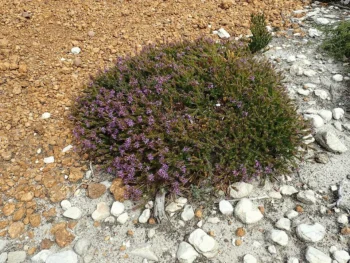
Calytrix leschenaultii: A Delightful Western Australian Native Worth Discovering
Meet Calytrix leschenaultii, a charming little shrub that might not have a catchy common name, but certainly makes up for it with its understated beauty and resilient nature. This Western Australian native belongs to the myrtle family and offers gardeners a low-maintenance option that’s perfectly suited to Mediterranean and drought-tolerant landscapes.
Where Does Calytrix leschenaultii Come From?
This lovely shrub calls the southwestern regions of Western Australia home, where it has adapted to thrive in the region’s unique climate conditions. In its native habitat, it grows naturally in sandy soils and enjoys the Mediterranean-like climate of warm, dry summers and mild, wet winters.
What Does It Look Like?
Calytrix leschenaultii is a compact shrub that typically grows to about 3-6 feet tall and wide, making it a perfect choice for smaller gardens or as part of a mixed native planting. The plant features:
- Small, linear leaves that create a fine-textured appearance
- Delicate star-shaped flowers in white or pale pink
- A naturally rounded, bushy form that requires minimal shaping
- Dense branching that provides good coverage
Why Consider Growing Calytrix leschenaultii?
If you’re looking for a plant that delivers maximum impact with minimum fuss, this Australian native might be just what you need. Here’s why it could be a great addition to your garden:
- Drought tolerance: Once established, it requires very little water
- Low maintenance: Minimal pruning and care required
- Pollinator friendly: The small flowers attract native bees and other beneficial insects
- Year-round interest: Evergreen foliage provides consistent structure
- Compact size: Perfect for smaller spaces or container growing
Growing Conditions and Care
Calytrix leschenaultii is relatively easy to grow if you can provide the right conditions. Here’s what this Western Australian beauty needs to thrive:
Soil and Drainage
The most critical requirement is excellent drainage. Plant in sandy, well-draining soil that doesn’t retain water. Heavy clay soils are a definite no-go unless you can significantly improve drainage or plant in raised beds.
Sun and Climate
This shrub prefers full sun to partial shade and thrives in USDA hardiness zones 9-11. It’s best suited to areas with mild winters and can be sensitive to hard frosts.
Watering
Water regularly during the first growing season to establish roots, then reduce watering significantly. Once established, it’s quite drought tolerant and prefers to dry out between waterings.
Planting and Care Tips
- Plant in spring or fall when temperatures are moderate
- Space plants 4-6 feet apart to allow for mature spread
- Mulch lightly around the base, keeping mulch away from the stem
- Prune lightly after flowering to maintain shape if desired
- Avoid overwatering, which can lead to root rot
- Feed sparingly with a low-phosphorus native plant fertilizer
Garden Design Ideas
Calytrix leschenaultii works beautifully in several garden settings:
- Native gardens: Pairs well with other Australian natives
- Mediterranean gardens: Complements lavender, rosemary, and other drought-tolerant plants
- Rock gardens: Its compact size and low water needs make it ideal
- Container gardens: Perfect for patios and small spaces
- Wildlife gardens: Provides nectar for beneficial insects
Is This Plant Right for Your Garden?
Calytrix leschenaultii is an excellent choice if you live in a warm climate zone and want a low-maintenance, drought-tolerant shrub. However, it may not be the best fit if you live in areas with harsh winters, heavy clay soils, or high humidity. If you’re outside its preferred climate range, consider looking for native alternatives that are better suited to your local conditions.
For gardeners in appropriate climates who appreciate subtle beauty and sustainable gardening practices, this Western Australian native offers a wonderful opportunity to grow something truly special while supporting local pollinators and reducing water usage in the garden.