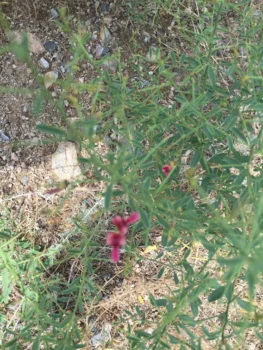
Camelthorn: Why This Thorny Invader Should Stay Out of Your Garden
If you’ve stumbled across the name camelthorn (Alhagi maurorum) while browsing plant catalogs or gardening forums, pump the brakes before adding it to your wishlist. This thorny character might sound exotic and intriguing, but it’s actually one of those plants that falls squarely into the thanks, but no thanks category for responsible gardeners.
What Exactly Is Camelthorn?
Camelthorn is a perennial shrub that can grow anywhere from a few feet to about 16 feet tall, though it typically stays on the shorter side. Think of it as a multi-stemmed woody plant with an attitude problem – and by attitude problem, I mean it’s covered in thorns and has zero respect for property boundaries.
This plant produces small pink to purple pea-like flowers during summer months, which might seem charming at first glance. Don’t be fooled by its pretty blooms – this is one case where looks can be deceiving.
The Not-So-Great News About Geographic Spread
Originally from Central Asia, the Mediterranean region, and the Middle East, camelthorn has made itself quite at home across the western United States. You’ll find established populations in Arizona, California, Colorado, Idaho, Nevada, New Mexico, Texas, Utah, and Washington.
- Species observed
- No observations
Here’s the thing: camelthorn didn’t ask permission to spread to these areas, and it’s not playing nice with the native plant communities that were there first.
Why Camelthorn Is Bad News for Gardens and Beyond
Let me be crystal clear about this: camelthorn is highly invasive and aggressive. This isn’t a plant that will politely stay within the boundaries you set for it. Instead, it:
- Spreads through an extensive deep root system that can extend 20+ feet
- Produces seeds that easily disperse to new areas
- Outcompetes native plants for water and nutrients
- Creates dense thickets that crowd out beneficial native species
- Is extremely difficult to remove once established
The plant is also remarkably adaptable, thriving in USDA hardiness zones 4-10 and tolerating everything from wetlands to bone-dry conditions. Its facultative wetland status means it’s equally happy in moist or dry soils – which unfortunately makes it even more invasive.
What About Wildlife and Pollinators?
While camelthorn flowers do attract bees and other pollinators, this doesn’t make it a good choice for wildlife gardens. Native plants will always provide superior habitat and food sources for local wildlife, and they won’t come with the baggage of aggressive invasion.
Better Alternatives for Your Garden
Instead of risking the ecological chaos that comes with planting camelthorn, consider these native alternatives that offer similar drought tolerance and pollinator appeal:
- Desert willow (Chilopsis linearis) for southwestern gardens
- Chuparosa (Justicia californica) for desert landscapes
- Native lupines for pea-family flower appeal
- Local native shrubs suited to your specific region
If You Encounter Camelthorn
Found camelthorn already growing on your property? Don’t panic, but do take action. Early removal is key, and you’ll likely need professional help given the plant’s extensive root system. Contact your local extension office or invasive species management group for guidance on proper removal techniques.
The Bottom Line
Camelthorn might survive in a wide range of conditions and produce pretty flowers, but it’s simply not worth the environmental risk. As gardeners, we have the power to make choices that support local ecosystems rather than harm them. Skip the camelthorn and choose native plants that will make both your garden and your local wildlife happy for years to come.
Remember: the best garden is one that works in harmony with its surroundings, not against them!