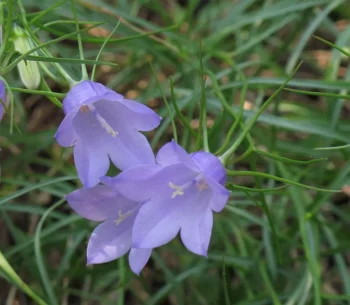
Campanula carnica: A Charming Alpine Bell for Rock Garden Enthusiasts
If you’ve ever wandered through an alpine meadow and been captivated by delicate bell-shaped flowers dancing in the mountain breeze, you might find yourself drawn to Campanula carnica. This lesser-known member of the bellflower family brings a touch of European alpine charm to North American gardens, though it’s not a plant you’ll find growing wild on our continent.
What is Campanula carnica?
Campanula carnica is a herbaceous perennial forb native to the southeastern Alps, particularly the Carnic Alps region along the Italy-Austria border. You might occasionally see it listed under its botanical synonym, Campanula linifolia. As a true alpine plant, it’s adapted to the challenging conditions of high-elevation environments, making it a fascinating addition for gardeners who love mountain plants.
This charming bellflower produces small, bell-shaped flowers in shades of blue to violet, typical of the campanula family. The blooms appear on slender stems above low-growing foliage, creating a delicate display that’s perfect for up-close admiration.
Growing Campanula carnica: What You Need to Know
Before falling head-over-heels for this alpine beauty, it’s important to understand that Campanula carnica has some specific needs that make it better suited for experienced gardeners or those already working with alpine plants.
Ideal Growing Conditions
- Hardiness: Zones 4-7, perfect for cooler climates
- Light: Full sun to partial shade
- Soil: Well-drained, alkaline soils are essential
- Moisture: Moderate water needs, but drainage is critical
Where Does It Shine in the Garden?
This alpine native is tailor-made for rock gardens, alpine gardens, and naturalistic landscapes that mimic mountain environments. It’s not your typical border perennial – think of it more as a specialty plant for creating authentic alpine scenes or adding diversity to established rock garden collections.
Planting and Care Tips
The golden rule with Campanula carnica is drainage, drainage, drainage! Like most alpine plants, it absolutely cannot tolerate wet feet, especially during winter months. Plant it in well-draining, slightly alkaline soil, and consider adding gravel mulch around the base to improve drainage and reflect the plant’s natural habitat.
Once established, this little bellflower is relatively low-maintenance, though it may not be the longest-lived perennial in your garden. Alpine plants often have shorter lifespans than their lowland cousins, so don’t be surprised if you need to replace it every few years.
Pollinator and Wildlife Value
While Campanula carnica does attract bees and other small pollinators with its nectar-rich flowers, it’s worth noting that as a non-native plant, it doesn’t provide the same ecological benefits as indigenous species. The plant offers some pollinator support, but native insects and wildlife haven’t co-evolved with this European species.
Should You Plant Campanula carnica?
This alpine charmer can be a delightful addition for gardeners passionate about rock gardens or alpine plant collections. However, if you’re looking to support local ecosystems while enjoying beautiful bellflowers, consider exploring native alternatives first.
North American native campanulas like wild harebell (Campanula rotundifolia) or tall bellflower (Campanula americana) offer similar aesthetic appeal while providing superior ecological benefits. These natives have co-evolved with local pollinators and wildlife, making them more valuable for supporting biodiversity in your garden.
That said, if you’re already committed to alpine gardening and want to expand your collection of high-elevation specialists, Campanula carnica can be a worthwhile addition – just be prepared for its specific cultural requirements and potentially shorter garden lifespan.
The Bottom Line
Campanula carnica is a specialist plant for specialist gardens. It’s perfect for rock garden enthusiasts and alpine plant collectors who can meet its drainage needs and appreciate its subtle mountain charm. For most gardeners, however, exploring native bellflower alternatives will provide similar beauty with greater ecological benefits and often easier cultivation. Whatever you choose, the delicate bells of campanulas are sure to add a touch of mountain magic to your garden!