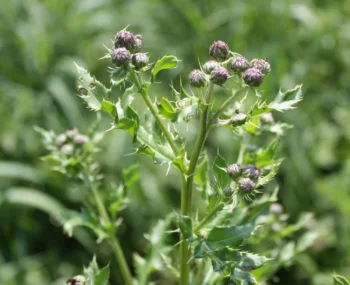
Canada Thistle: Why This Pretty Purple Flower Should Stay Out of Your Garden
Don’t let the lovely purple blooms fool you – Canada thistle (Cirsium arvense) might look charming, but this perennial forb is one plant you definitely don’t want to invite into your garden. Despite its misleading common name, this spiky troublemaker isn’t actually from Canada at all!
The Truth About Canada Thistle
Canada thistle is a non-native species that originally hails from Europe and Asia. This persistent perennial has made itself at home across virtually all of North America, from Alaska down to Alabama, and from coast to coast. It’s established populations in all Canadian provinces and territories, plus nearly every U.S. state.
- Species observed
- No observations
Why Canada Thistle is a Garden No-No
Here’s the thing about Canada thistle – it’s not just unwelcome, it’s officially problematic. This plant carries serious legal baggage:
- Listed as invasive in Connecticut, Missouri, and Wisconsin
- Classified as a prohibited noxious weed in Alaska and New Hampshire
- Restricted in Wisconsin
- On watch lists in Alabama
These designations exist for good reason. Canada thistle spreads aggressively through underground rhizomes, creating dense colonies that crowd out native plants and disrupt local ecosystems.
What Does Canada Thistle Look Like?
Learning to identify Canada thistle can help you spot it before it takes over. This forb (a non-woody plant) typically features:
- Deeply lobed, spiny leaves with a grayish-green color
- Purple-pink flower heads that bloom from summer into fall
- Heights that can reach 2-4 feet
- A tendency to form spreading patches rather than staying put as individual plants
Where Canada Thistle Thrives
Part of what makes Canada thistle so problematic is its adaptability. This hardy perennial can handle:
- USDA hardiness zones 2-8
- Various soil types and moisture levels
- Full sun to partial shade conditions
- Both wetland and upland environments (though it prefers drier sites)
The Pollinator Dilemma
Here’s where things get complicated – while Canada thistle is invasive, its flowers do provide nectar for bees, butterflies, and other pollinators. However, the environmental damage it causes far outweighs any pollinator benefits. The good news? There are plenty of native alternatives that offer superior pollinator support without the ecological baggage.
Better Native Alternatives
Instead of Canada thistle, consider these native plants that offer similar benefits without the invasive behavior:
- Native thistle species like Field thistle (Cirsium discolor) or Swamp thistle (Cirsium muticum)
- Wild bergamot (Monarda fistulosa) for purple flowers and pollinator appeal
- Purple coneflower (Echinacea purpurea) for long-lasting blooms
- Ironweed (Vernonia species) for similar purple color and late-season interest
If You Already Have Canada Thistle
Found Canada thistle in your garden? Don’t panic, but do take action. Management typically requires persistence and may include:
- Regular mowing before seed formation
- Hand-pulling small infestations (wear gloves!)
- Consulting local extension services for management strategies
- Never composting Canada thistle plant material
The Bottom Line
While Canada thistle’s purple blooms might catch your eye, this is one plant that’s better admired from a distance – preferably a very long distance! Its invasive nature and legal restrictions make it a poor choice for any garden or landscape. Instead, choose native alternatives that provide similar beauty while supporting local ecosystems. Your garden (and your neighbors) will thank you for making the responsible choice.
Remember: just because a plant can grow almost anywhere doesn’t mean it should. When it comes to Canada thistle, the best gardening advice is simply to say no.