The Fascinating Candle Tree: A Tropical Oddity for Warm Climate Gardens
Have you ever seen a tree that looks like it’s been decorated with waxy candles? Meet the candle tree (Parmentiera cereifera), one of nature’s most unusual and conversation-starting specimens. This quirky tropical tree gets its name from its distinctive fruits that hang like dripping candles from its branches, creating a truly unique garden feature that’s sure to intrigue visitors.
What Makes the Candle Tree Special?
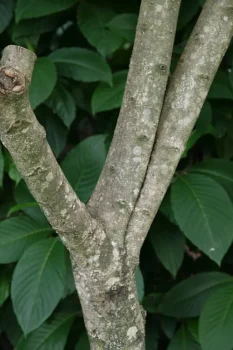
The candle tree is a perennial woody plant that typically grows as a single-trunked tree reaching heights of 13-16 feet or more under ideal conditions. What sets this tree apart isn’t just its size, but its remarkable fruits that look remarkably like long, waxy candles dangling from the branches. These pale, elongated fruits can grow quite long and create an almost surreal appearance that makes the tree a true botanical curiosity.
Before the eye-catching fruits appear, the tree produces fragrant white flowers that bloom directly from the trunk and main branches—a phenomenon called cauliflory. These blooms are particularly fragrant at night, as they’re designed to attract their primary pollinators: bats!
Where Does It Come From?
Originally native to Central America, particularly Panama and Costa Rica, the candle tree has found its way to other tropical locations. In the United States, it’s been introduced to Puerto Rico, where it has established itself and now reproduces naturally in the wild.
- Species observed
- No observations
Is the Candle Tree Right for Your Garden?
The candle tree can make a fascinating addition to the right garden, but it’s definitely not for everyone. Here’s what you need to consider:
Growing Requirements
This tree is quite particular about its growing conditions:
- Climate: Thrives only in USDA hardiness zones 10-11, requiring consistently warm, tropical conditions
- Temperature: Cannot tolerate cold temperatures or frost
- Humidity: Needs high humidity levels typical of tropical environments
- Soil: Prefers well-draining soil that doesn’t become waterlogged
- Light: Does best in full sun to partial shade
Garden Design Considerations
The candle tree works best as a specimen plant where its unique characteristics can be fully appreciated. It’s perfect for:
- Tropical and subtropical garden designs
- Botanical collections focusing on unusual species
- Gardens where conversation-starting plants are desired
- Areas where you want a unique focal point
Wildlife and Pollinator Benefits
While the candle tree does offer some ecological benefits, including attracting bats and certain insects to its fragrant nighttime blooms, it’s worth noting that this is not a native species to most areas where it’s grown.
Native Alternatives to Consider
Since the candle tree is non-native to most areas where it might be grown, consider these native alternatives that can provide similar ornamental interest while supporting local ecosystems:
- For tropical climates: Native flowering trees specific to your region
- For unique fruit displays: Native trees with interesting seed pods or fruits
- For fragrant night bloomers: Native species that bloom in evening hours
Planting and Care Tips
If you decide the candle tree is right for your tropical garden, here are some care guidelines:
- Plant in a location protected from strong winds
- Ensure consistent moisture without waterlogging
- Provide regular feeding during the growing season
- Protect from any temperature drops below tropical ranges
- Be patient—the distinctive candle fruits may take several years to develop on young trees
The Bottom Line
The candle tree is undeniably fascinating and can be a show-stopping addition to tropical gardens. However, its very specific climate requirements mean it’s only suitable for the warmest regions. If you live in zones 10-11 and are looking for a unique specimen tree that will spark conversations, the candle tree might be worth considering. Just remember to research native alternatives first, as these will provide better long-term benefits for your local ecosystem while potentially offering their own unique charm.
Whether you choose to grow this tropical oddity or opt for a native alternative, the most important thing is selecting plants that will thrive in your specific conditions while contributing positively to your garden’s overall health and beauty.