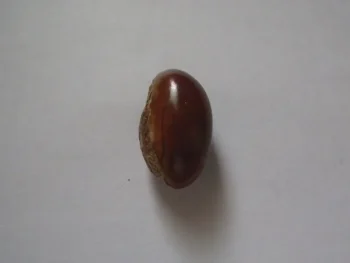
Growing Canistel: A Sweet Tropical Addition to Your Garden
If you’ve ever dreamed of growing your own tropical fruit, the canistel (Pouteria campechiana) might just capture your imagination. This lesser-known fruit tree produces sunny yellow-orange fruits with a texture that’s earned it the nickname egg fruit in some regions. But before you rush to plant one, let’s explore what makes this tree special and whether it’s the right fit for your garden.
What Exactly Is Canistel?
Canistel is a perennial tree that can grow quite impressive in size—typically reaching 13 to 16 feet or taller under the right conditions. With its glossy green leaves and attractive tropical appearance, it’s not just about the fruit; this tree brings genuine ornamental value to any landscape. The tree is also known by several botanical synonyms, including Lucuma campechiana and Lucuma nervosa, reflecting its long history of cultivation.
The Geography Story
Here’s where things get interesting from a native plant perspective. Canistel isn’t actually native to the United States—it hails from Central America and southern Mexico. However, it has established itself in Florida and Puerto Rico, where it now reproduces naturally in the wild. This means it’s considered a non-native species that has found a comfortable home in our subtropical regions.
- Species observed
- No observations
Should You Plant Canistel in Your Garden?
The decision to grow canistel comes down to your gardening goals and location. If you’re in USDA hardiness zones 9b through 11 and love the idea of harvesting unique tropical fruits, canistel could be a delightful addition to your edible landscape. The tree serves multiple purposes: it provides shade, produces interesting fruit, and adds tropical flair to your garden design.
However, if you’re passionate about supporting native ecosystems, you might want to consider native alternatives that provide similar benefits while supporting local wildlife. Florida gardeners could explore native fruit trees like beautyberry or native palms for tropical aesthetics with ecological benefits.
Perfect Growing Conditions
Canistel trees are fairly straightforward to grow if you can provide the right environment:
- Climate: Strictly tropical and subtropical only—this tree cannot handle frost or freezing temperatures
- Sunlight: Full sun to partial shade, though full sun typically produces better fruiting
- Soil: Well-draining soil is essential; waterlogged roots can quickly kill the tree
- Space: Give it plenty of room to grow, as mature trees can become quite large
Planting and Care Tips
Getting your canistel tree off to a good start involves some basic tropical tree care:
- Plant in spring after any danger of cold weather has passed
- Water regularly during the first few years, but avoid overwatering
- Fertilize during the growing season with a balanced fertilizer
- Prune lightly to maintain shape and remove any dead or crossing branches
- Protect young trees from strong winds and any unexpected cold snaps
The Pollinator Connection
While we don’t have extensive data on canistel’s wildlife benefits, the tree does produce small flowers that can attract various pollinators, including bees. This makes it a reasonably pollinator-friendly choice, though native plants typically provide more specialized benefits for local pollinator populations.
Landscape Design Ideas
Canistel works beautifully as a specimen tree in tropical and subtropical landscapes. Its attractive form makes it suitable for:
- Edible landscapes and food forests
- Tropical garden themes
- Shade tree plantings
- Privacy screening (given adequate space)
The Bottom Line
Canistel can be a rewarding tree for gardeners in the right climate who appreciate unique tropical fruits and attractive foliage. While it’s not native to the United States, it’s not considered invasive either, making it a neutral choice from an ecological standpoint. If you decide to grow one, you’ll be rewarded with an interesting conversation piece that might just produce some delicious fruit. Just remember to consider native alternatives that might provide even greater benefits for your local ecosystem while still satisfying your desire for something special in the garden.