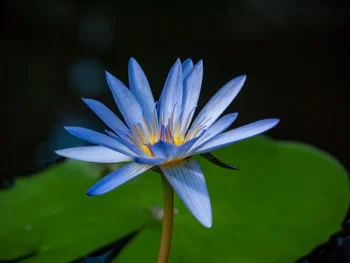
Cape Blue Waterlily: A Stunning Non-Native Addition to Your Water Garden
If you’ve ever dreamed of adding a splash of ethereal blue to your pond or water feature, the Cape blue waterlily (Nymphaea capensis) might just catch your eye. This gorgeous aquatic perennial brings a touch of African elegance to American water gardens with its fragrant, sky-blue blooms that seem to float like jewels on the water’s surface.
What Makes Cape Blue Waterlily Special?
The Cape blue waterlily is a true showstopper in the aquatic plant world. Unlike many waterlilies that bloom in whites and pinks, this beauty produces stunning blue to purple flowers that open during the day and release a delightful fragrance. The blooms sit gracefully above heart-shaped, floating leaves that can spread across your pond’s surface, creating a living carpet of green dotted with blue gems.
As a perennial forb, this waterlily lacks significant woody tissue and instead puts all its energy into producing those spectacular blooms year after year in suitable climates.
Where Does It Come From?
Originally hailing from the Cape region of southern and eastern Africa, this waterlily has found its way to warmer parts of the United States. It’s considered a non-native species that has established itself in Florida and Hawaii, where it reproduces naturally in the wild and tends to persist without human intervention.
- Species observed
- No observations
The Water Garden Superstar
In garden design, the Cape blue waterlily serves as a stunning focal point for any water feature. Whether you have a formal ornamental pond, a natural-looking water garden, or even a large container water feature, this plant can transform your space into something truly magical. Its role is primarily ornamental, though it also provides some practical benefits by helping to shade the water and potentially reducing algae growth.
Growing Conditions and Care
If you’re thinking about adding this beauty to your water garden, here’s what you need to know:
- Climate requirements: Hardy in USDA zones 9-11, making it suitable for year-round outdoor growing only in the warmest regions
- Water needs: As an obligate wetland plant, it must have water – specifically still or slow-moving water
- Sunlight: Thrives in full sun locations
- Water depth: Plant containers should be submerged 12-24 inches below the water surface
- Temperature: Prefers warm water temperatures and won’t tolerate frost
Planting and Maintenance Tips
Getting your Cape blue waterlily established is relatively straightforward, but there are a few key points to remember:
- Plant in heavy clay soil or aquatic planting medium in a wide, shallow container
- Place the container at the proper depth – too shallow and the plant may struggle, too deep and it won’t bloom well
- Remove spent blooms regularly to encourage continued flowering
- In cooler climates, you’ll need to treat it as an annual or bring containers indoors during winter
- Feed monthly during the growing season with aquatic plant fertilizer tablets
Benefits for Pollinators and Wildlife
The fragrant blooms of Cape blue waterlily do attract pollinators, particularly bees and other insects that visit aquatic environments. While specific wildlife benefits aren’t extensively documented, water features with diverse plant life generally support local ecosystems by providing habitat and food sources.
Should You Plant It?
The Cape blue waterlily isn’t invasive or noxious in its established range, so if you’re in zones 9-11 and have a suitable water feature, there’s no strong ecological reason to avoid it. However, as a responsible gardener, you might also consider native alternatives that provide similar beauty while supporting local ecosystems.
Some native waterlily options to explore include American white waterlily (Nymphaea odorata) in cooler regions, or fragrant waterlily varieties native to your specific area. These native alternatives often provide superior wildlife benefits and are better adapted to local conditions.
The Bottom Line
Cape blue waterlily is undeniably gorgeous and can be a stunning addition to the right water garden. If you’re in a suitable climate zone and have the proper setup, it can provide years of beautiful blooms. Just remember to source your plants responsibly and consider whether a native alternative might better serve both your garden goals and local wildlife. Whatever you choose, adding any waterlily to your landscape is sure to create a peaceful, beautiful focal point that you’ll enjoy for years to come.