Cape-ivy: A Beautiful Vine You Should Never Plant
Cape-ivy might sound charming, but don’t let the pleasant name fool you. This South African native, scientifically known as Delairea odorata (formerly Senecio mikanioides), has earned quite the reputation as one of the most problematic invasive plants in parts of the United States. While it may catch your eye with its lush green foliage and cheerful yellow flowers, this perennial vine is definitely not the garden friend you’re looking for.
What Exactly is Cape-ivy?
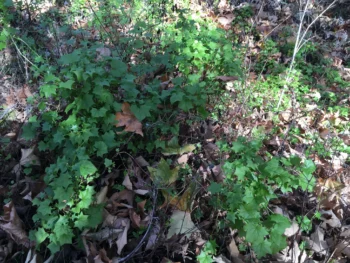
Cape-ivy, also called German ivy, is a fast-growing perennial vine that belongs to the sunflower family. This herbaceous plant produces heart-shaped, somewhat succulent leaves and clusters of small, bright yellow daisy-like flowers that typically bloom in winter and spring. As a climbing vine, it can easily reach heights of 15-20 feet while spreading extensively across the ground through its trailing stems.
Where You’ll Find This Troublemaker
Originally from South Africa, Cape-ivy has established populations in several U.S. states, including California, Hawaii, Montana, and Oregon. It thrives in USDA hardiness zones 9-11 and shows a particular fondness for coastal areas and Mediterranean-like climates.
- Species observed
- No observations
Why Cape-ivy is Garden Enemy #1
Here’s where things get serious. Cape-ivy isn’t just any non-native plant – it’s an aggressive invader that can wreak havoc on local ecosystems. This vigorous grower can quickly smother native vegetation, creating dense mats that block sunlight and outcompete indigenous plants for resources. In California, it’s considered one of the most serious invasive plant threats, particularly in coastal areas and riparian zones.
The plant’s rapid growth rate and ability to spread both by seed and vegetatively makes it incredibly difficult to control once established. It can tolerate a wide range of growing conditions, from full sun to partial shade, and various soil types, making it unfortunately adaptable to many environments.
The Deceptive Appeal
It’s easy to see why someone might initially be drawn to Cape-ivy. The plant offers:
- Fast coverage for bare areas
- Attractive heart-shaped foliage
- Cheerful yellow winter blooms
- Low maintenance requirements
- Drought tolerance once established
But these seemingly positive traits are exactly what make it such an effective invader. Its ability to thrive with minimal care means it can quickly escape cultivation and establish in wild areas.
Our Strong Recommendation: Don’t Plant It!
We cannot stress this enough – please do not plant Cape-ivy in your garden. Even if you think you can contain it, this plant has a notorious ability to escape cultivation. Seeds can be dispersed by wind and water, while plant fragments can root easily, leading to new infestations far from the original planting site.
Better Native Alternatives
Instead of Cape-ivy, consider these native alternatives that can provide similar aesthetic benefits without the ecological risks:
- California wild grape (Vitis californica) – for climbing coverage in California
- Virgin’s bower (Clematis ligusticifolia) – for fast-growing vine coverage in western states
- Honeysuckle vine (Lonicera hispidula) – for fragrant climbing coverage on the West Coast
These native options will provide beauty to your landscape while supporting local wildlife and ecosystems rather than threatening them.
What to Do If You Already Have Cape-ivy
If you discover Cape-ivy on your property, the best course of action is removal. Contact your local extension office or invasive species management organization for guidance on safe and effective removal techniques. Early detection and rapid response are key to preventing this plant from establishing in natural areas.
Remember, as gardeners, we have a responsibility to be good stewards of our local ecosystems. While Cape-ivy might seem like an attractive, low-maintenance option, choosing native alternatives is always the more sustainable and environmentally friendly choice.