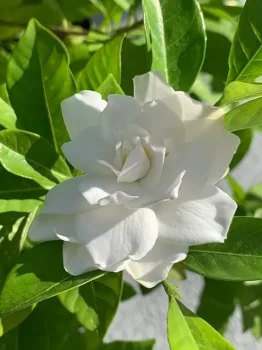
Cape Jasmine: The Fragrant Beauty That’s Not Quite What It Seems
If you’ve ever caught a whiff of Cape jasmine’s intoxicating fragrance drifting through a warm evening breeze, you’ll understand why this plant has captured gardeners’ hearts for generations. With its pristine white blooms and glossy evergreen foliage, Cape jasmine (Gardenia jasminoides) looks like it belongs in every garden – but there’s more to this beauty than meets the eye.
What Exactly Is Cape Jasmine?
Despite its common name suggesting otherwise, Cape jasmine isn’t actually a true jasmine at all! This perennial shrub is a member of the coffee family and goes by several botanical aliases, including Gardenia augusta and Gardenia florida. It’s a multi-stemmed woody plant that typically stays under 13-16 feet tall, making it a perfect size for most home landscapes.
Where Does Cape Jasmine Call Home?
Here’s where things get interesting: while Cape jasmine might feel perfectly at home in your garden, it’s not actually native to most of the United States. This charming shrub originally hails from Asia, including China, Japan, and parts of Southeast Asia. In the U.S., you’ll find established populations in Guam, Palau, and Puerto Rico, where it has naturalized and reproduces on its own in the wild.
- Species observed
- No observations
The Appeal: Why Gardeners Fall Head Over Heels
Cape jasmine is like that friend who always looks put-together – its glossy, dark green leaves provide year-round beauty, while the creamy white flowers steal the show from late spring through summer. But the real magic happens at dusk, when those waxy blooms release their legendary fragrance that can perfume an entire yard.
The flowers are particularly beloved by:
- Moths and other nighttime pollinators who navigate by scent
- Anyone who appreciates natural perfume in their garden
- Gardeners looking for elegant, formal landscape elements
Perfect Spots for Cape Jasmine
This sophisticated shrub shines in:
- Formal garden settings where its neat appearance adds structure
- Fragrance gardens near patios or windows
- Tropical and subtropical landscapes
- Container gardens for those in cooler climates
- As specimen plants or informal hedges
Growing Cape Jasmine Successfully
Cape jasmine can be a bit of a diva, but give it what it wants, and it’ll reward you handsomely. This plant thrives in USDA hardiness zones 8-11, so northern gardeners will need to treat it as a container plant that winters indoors.
The Perfect Growing Conditions
- Soil: Well-drained, acidic soil (pH 5.0-6.5) is non-negotiable
- Light: Morning sun with afternoon shade, or filtered light all day
- Water: Consistent moisture without waterlogging
- Humidity: Loves humid conditions – mist regularly in dry climates
Planting and Care Tips
Plant Cape jasmine in spring after the last frost, and choose your spot carefully – these shrubs don’t love being moved once established. Feed with an acid-loving plant fertilizer regularly during growing season, and prune lightly after flowering to maintain shape. In borderline hardy areas, plant in a protected location or grow in containers that can be moved indoors.
The Native Alternative Consideration
While Cape jasmine isn’t considered invasive, eco-conscious gardeners might want to consider native alternatives that provide similar benefits to local ecosystems. Depending on your region, native options like wild azaleas, native viburnums, or buttonbush can offer fragrant blooms and support local wildlife more effectively.
The Bottom Line
Cape jasmine is undeniably gorgeous and wonderfully fragrant, making it a tempting addition to any garden in suitable climates. If you choose to grow it, you’ll be rewarded with one of the most heavenly scented flowers nature has to offer. Just remember that while it may not be native to your area, responsible gardening means being mindful of how our plant choices impact local ecosystems – and maybe saving a spot for some native beauties too!