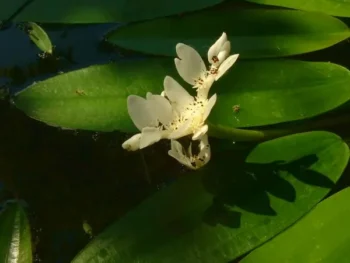
Cape Pondweed: A Fragrant Water Garden Gem
If you’ve ever dreamed of adding a touch of aquatic elegance to your garden, Cape pondweed (Aponogeton distachyos) might just be the floating beauty you’re looking for. This perennial water plant brings year-round interest to ponds and water features with its distinctive vanilla-scented white flowers and glossy green leaves.
What Exactly Is Cape Pondweed?
Cape pondweed is a herbaceous perennial that belongs to the forb family – essentially a non-woody plant that lacks significant thickening growth above ground. Originally hailing from South Africa, this aquatic charmer has found its way into California waterways, where it has naturalized and now reproduces on its own in the wild.
This adaptable water plant is classified as an obligate wetland species, meaning you’ll almost always find it growing in or around water. It’s perfectly at home in both the Arid West and Western Mountains, Valleys, and Coast regions of California.
- Species observed
- No observations
Why Gardeners Love (and Sometimes Question) This Water Plant
Cape pondweed offers some compelling reasons to consider it for your water garden:
- Fragrant white flowers with striking dark anthers bloom from spring through fall
- Floating oval leaves create beautiful patterns on water surfaces
- Attracts bees and other beneficial pollinators
- Relatively low maintenance once established
- Thrives in USDA hardiness zones 7-11
However, since Cape pondweed isn’t native to North American ecosystems, you might want to consider native aquatic alternatives that provide similar benefits while supporting local wildlife. Native water lilies, spatterdock, or other indigenous pond plants could offer comparable beauty while better serving your local ecosystem.
Creating the Perfect Home for Cape Pondweed
If you decide to grow Cape pondweed, here’s what this aquatic beauty needs to thrive:
Location and Light: Choose a spot with full sun to partial shade. While it can tolerate some shade, you’ll get the best flowering in bright conditions.
Water Conditions: This plant loves still or slow-moving water with a pH between 6.0 and 8.0. It’s quite adaptable to different water qualities, making it forgiving for beginning water gardeners.
Planting Depth: Submerge the rhizomes in containers placed 6 to 18 inches below the water surface. The floating leaves will naturally find their way to the top.
Planting and Care Tips
Getting Cape pondweed established is surprisingly straightforward:
- Plant rhizomes in heavy clay soil or aquatic planting media in containers
- Use mesh baskets designed for aquatic plants
- Slowly lower containers to the desired depth
- Remove spent flowers to encourage continued blooming
- Trim back yellowing leaves as needed
One of the best things about Cape pondweed is its minimal maintenance requirements. Once established, it pretty much takes care of itself, though you’ll want to divide overcrowded clumps every few years.
Garden Design Ideas
Cape pondweed works beautifully as a focal point in water gardens and ponds. Its floating leaves create interesting textures and patterns, while the fragrant flowers add sensory appeal. It’s particularly well-suited for:
- Formal water features where controlled growth is desired
- Mediterranean-style landscapes with water elements
- Wildlife ponds where pollinator attraction is a goal
- Container water gardens on patios or decks
The Bottom Line
Cape pondweed can be a lovely addition to water features, offering fragrant blooms and attractive foliage with minimal fuss. While it’s not native to North America, it has proven to be a well-behaved garden resident in appropriate climates. Just remember to consider native aquatic alternatives first – your local ecosystem will thank you for supporting plants that have evolved alongside native wildlife.
Whether you choose Cape pondweed or a native alternative, adding aquatic plants to your garden creates habitat for beneficial insects and adds a whole new dimension of beauty to your outdoor space.