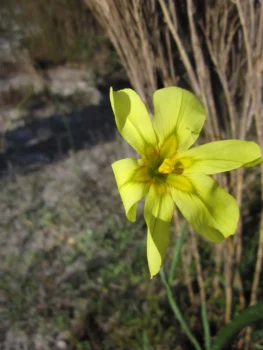
Cape Tulip: A Beautiful But Problematic Garden Guest You Should Avoid
With its vibrant orange blooms that brighten up spring gardens, Cape tulip (Moraea collina) might seem like an appealing addition to your landscape. However, this South African native has earned itself a spot on the naughty list in American gardens—and for good reason.
What is Cape Tulip?
Cape tulip is a perennial forb that grows from underground bulbs, producing grass-like foliage and showy funnel-shaped flowers. Also known by its synonym Homeria collina, this plant belongs to the iris family and puts on quite a spring display with its bright orange to yellow blooms.
As a non-native species, Cape tulip has made itself a little too comfortable in the United States. It reproduces spontaneously in the wild without any human help and tends to stick around once it’s established—classic invasive behavior that spells trouble for native ecosystems.
Where Does Cape Tulip Grow?
Originally from the Western Cape region of South Africa, Cape tulip has found a new home in California, where it grows as an introduced species. The Mediterranean-like climate of California suits this plant perfectly, which is part of the problem.
- Species observed
- No observations
The Problem with Cape Tulip
Here’s where things get serious: Cape tulip is classified as a noxious weed in the United States. This isn’t just bureaucratic red tape—it’s a genuine warning about a plant that can cause real ecological and agricultural damage.
We strongly recommend against planting Cape tulip in your garden. Here’s why:
- It spreads aggressively and can outcompete native plants
- It’s toxic to livestock and can be harmful to wildlife
- Once established, it’s difficult to remove
- It can escape cultivation and invade natural areas
Better Alternatives for Your Garden
Instead of Cape tulip, consider these native alternatives that offer similar spring color and beauty without the ecological baggage:
- California poppies (Eschscholzia californica) for bright orange blooms
- Native irises like Douglas iris (Iris douglasiana) for similar flower form
- Monkey flower (Mimulus species) for vibrant spring colors
- Native bulbs like brodiaea or camassia for grassland appeal
If You Already Have Cape Tulip
If Cape tulip has already taken up residence in your garden, the responsible thing to do is remove it. Here are some tips:
- Dig up bulbs completely—any fragments left behind can regrow
- Remove plants before they set seed
- Dispose of plant material in municipal green waste, not compost
- Consider consulting with local extension services for removal strategies
The Bottom Line
While Cape tulip might catch your eye with its cheerful spring blooms, it’s a plant that’s better admired from afar—perhaps in its native South African habitat. As gardeners, we have the power to make choices that support our local ecosystems rather than harm them. By choosing native alternatives, you’ll create a garden that’s not only beautiful but also beneficial to local wildlife and plant communities.
Remember: the most sustainable garden is one that works with nature, not against it. There are plenty of gorgeous native plants that can give you that pop of spring color without the ecological consequences.