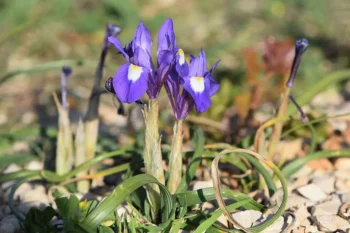
Cape Tulip (Moraea): A Colorful But Controversial Garden Choice
If you’ve ever spotted bright, tulip-like flowers blooming in California’s wild spaces, you might have encountered the Cape tulip, scientifically known as Moraea. This eye-catching perennial has made quite a name for itself since arriving from South Africa, though not always for the best reasons.
What Exactly is Cape Tulip?
Cape tulip is a non-native perennial forb that belongs to the iris family. Unlike woody shrubs or trees, this plant lacks significant woody tissue and instead grows as an herbaceous plant with underground bulbs. It’s also known by the synonym Homeria, which you might see in older gardening references.
This introduced species has proven quite adaptable to life in the United States, reproducing spontaneously in the wild without any human assistance and persisting year after year.
Where Does Cape Tulip Grow?
In the United States, Cape tulip has established itself primarily in California, where the Mediterranean-like climate closely resembles its native South African habitat.
- Species observed
- No observations
Should You Plant Cape Tulip in Your Garden?
This is where things get a bit complicated. Cape tulip certainly has its attractive qualities – those bright, cheerful flowers can add a splash of color to any landscape. However, as a non-native species that readily naturalizes, it’s worth considering some alternatives.
The Appeal
- Produces vibrant, tulip-shaped flowers in shades of yellow, orange, and pink
- Low-maintenance once established
- Drought tolerant, perfect for water-wise gardens
- Attracts pollinators like bees
- Perennial growth means it comes back year after year
The Considerations
- Non-native status means it doesn’t support local ecosystems as well as native plants
- Can spread readily and naturalize beyond garden boundaries
- May compete with native wildflowers in natural areas
Growing Cape Tulip Successfully
If you decide to grow Cape tulip, here’s what you need to know to keep it happy:
Ideal Growing Conditions
- Climate: Best suited for USDA hardiness zones 9-11
- Sunlight: Full sun exposure
- Soil: Well-draining soil is essential – these bulbs don’t like wet feet
- Water: Drought tolerant once established, minimal watering needed
Planting and Care Tips
- Plant bulbs in fall for spring blooms
- Choose a location with excellent drainage
- Space bulbs appropriately as they can spread
- Water sparingly – overwatering can cause bulb rot
- Deadhead spent flowers to prevent excessive self-seeding
Native Alternatives to Consider
Before planting Cape tulip, consider these beautiful native alternatives that provide similar aesthetic appeal while supporting local wildlife:
- California poppies for bright orange blooms
- Native iris species for similar foliage and flower form
- Camas for bulb-like growth habit and purple flowers
- Native brodiaeas for spring color
The Bottom Line
Cape tulip is undeniably beautiful and easy to grow, making it tempting for gardeners seeking low-maintenance color. However, its non-native status and tendency to naturalize make it a plant to approach thoughtfully. If you do choose to grow it, be mindful of its spreading nature and consider containing it within your garden boundaries. Better yet, explore the many stunning native alternatives that can provide similar beauty while supporting your local ecosystem.
Remember, every plant choice we make in our gardens is a vote for the kind of landscape we want to see in the future. Choose wisely!