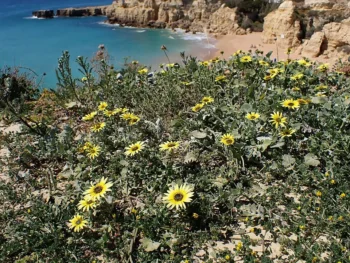
Capeweed: Why This Pretty Yellow Flower Should Stay Out of Your Garden
Don’t let its cheerful yellow blooms fool you – Capeweed (Arctotheca calendula) might look like an innocent daisy, but this South African native has earned itself a spot on the noxious weed list for good reason. While you might encounter this low-growing annual sprouting up in disturbed areas, it’s definitely not a plant you want to welcome into your garden.
What Is Capeweed?
Capeweed is an annual forb – basically a soft-stemmed herbaceous plant that completes its entire life cycle in one growing season. This non-native species originally hails from South Africa’s Cape region, which explains its common name. It’s a member of the sunflower family and produces bright yellow, daisy-like flowers that might catch your eye, but don’t be tempted!
Where You’ll Find It
In the United States, Capeweed has established itself primarily in California, where the Mediterranean-like climate suits it perfectly. It tends to pop up in disturbed soils, along roadsides, and in areas where native vegetation has been disrupted.
- Species observed
- No observations
Why Gardeners Should Avoid Capeweed
Here’s the bottom line: Don’t plant it! Capeweed is classified as a noxious weed in the United States, meaning it’s been officially recognized as harmful to agriculture, ecosystems, or human health. Here’s why this plant is trouble:
- It spreads aggressively and can quickly take over areas
- It outcompetes native plants that wildlife depends on
- Once established, it can be difficult to control
- It reproduces without human help and persists in wild areas
- Its rapid spread disrupts local ecosystems
Physical Characteristics
Capeweed forms low, spreading mats and produces bright yellow flowers with dark centers that bloom from late winter through spring. While it might seem attractive as a ground cover, its invasive nature makes it a poor choice for responsible gardening.
Better Alternatives for Your Garden
Instead of risking the environmental damage that comes with planting Capeweed, consider these native California alternatives that provide similar aesthetic appeal without the ecological problems:
- California poppies (Eschscholzia californica) for bright orange blooms
- Coreopsis species for yellow daisy-like flowers
- Native sunflowers (Helianthus species)
- Goldfields (Lasthenia species) for carpet-like yellow displays
What to Do If You Spot Capeweed
If you notice Capeweed growing in your area, the best approach is removal – especially before it sets seed. Pull small infestations by hand when the soil is moist, making sure to get the entire root system. For larger areas, you may need to consult with local land management authorities or extension services for appropriate control methods.
The Takeaway
While Capeweed might seem like a harmless wildflower, its status as a noxious weed means it poses real threats to native ecosystems. As responsible gardeners, our best bet is to choose native alternatives that provide beauty without the ecological baggage. Your local wildlife – and future generations of gardeners – will thank you for making the environmentally conscious choice!