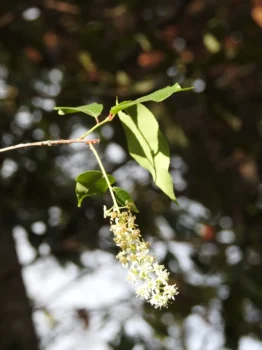
Capulí (Prunus serotina capuli): A Lesser-Known Cherry with Garden Potential
If you’ve stumbled across the name capulí in your plant research adventures, you’ve discovered one of gardening’s more mysterious characters. Prunus serotina capuli, commonly known as capulí, is a member of the cherry family that doesn’t get nearly as much attention as its flashier cousins. But should it be on your gardening radar? Let’s dig into what we know about this intriguing plant.
What is Capulí?
Capulí belongs to the Prunus family, making it a relative of cherries, plums, and almonds. You might also see it listed under the synonym Prunus serotina Ehrh. var. salicifolia, which gives you a hint about its relationship to the more commonly known black cherry (Prunus serotina).
Here’s where things get a bit mysterious – while capulí has been documented in botanical literature, detailed information about its specific characteristics and growing requirements is surprisingly limited in mainstream horticultural sources. This could mean it’s either a very specialized variety or simply hasn’t made its way into widespread cultivation yet.
Native Status and Geographic Distribution
Based on available information, capulí appears to have origins in Mexico and parts of Central America. However, its exact native range and current distribution remain unclear in readily available sources. This uncertainty makes it difficult to definitively classify its native status in different regions.
Should You Plant Capulí in Your Garden?
Here’s the honest truth: with limited information available about capulí’s specific growing requirements, invasive potential, and garden performance, it’s challenging to give a definitive recommendation either way. If you’re considering this plant, here are some things to keep in mind:
- Research thoroughly before purchasing to ensure you’re getting exactly what you expect
- Consider whether native alternatives might better serve your garden’s needs
- If you do decide to try capulí, start small and monitor its performance carefully
- Connect with local botanical experts or extension services for regional advice
Alternative Native Cherry Options
If you’re drawn to the idea of growing a native cherry but want something with more established growing information, consider researching these alternatives for your region:
- American plum (Prunus americana) – widely native across North America
- Chokecherry (Prunus virginiana) – excellent for wildlife
- Sand cherry (Prunus pumila) – great for difficult sites
- Wild black cherry (Prunus serotina) – the parent species
Growing Conditions and Care
Without specific growing information for capulí, any care recommendations would be speculative. If you do acquire this plant, general Prunus family care guidelines might apply, but we’d recommend consulting with local horticultural experts or the plant supplier for specific advice.
The Bottom Line
Capulí represents one of those fascinating plant puzzles that remind us how much we still don’t know about the botanical world. While its limited documentation makes it difficult to recommend enthusiastically, it also makes it intriguing for adventurous gardeners who enjoy experimenting with lesser-known species.
If you’re new to native gardening, you might want to start with better-documented native species first. But if you’re an experienced gardener looking for something unique and you can source capulí responsibly, it could be an interesting addition to your collection – just be prepared for a bit of gardening detective work along the way!
Have you encountered capulí in your gardening adventures? We’d love to hear about your experiences with this mysterious member of the cherry family.