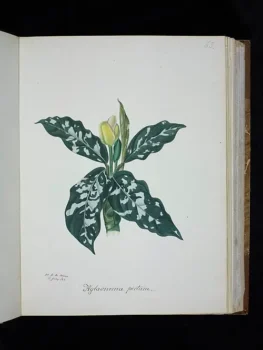
Cara de Caballo: A Tropical Foliage Beauty for Warm Climate Gardens
If you’re looking for a stunning foliage plant to add some tropical flair to your garden or home, you might want to consider cara de caballo (Aglaonema pictum). This eye-catching perennial has been making its mark in Puerto Rico’s gardens, though it’s actually a newcomer from far across the Pacific.
What Is Cara de Caballo?
Cara de caballo is a herbaceous perennial that belongs to the group of plants we call forbs – basically, it’s a non-woody plant that comes back year after year. Originally hailing from Southeast Asia, this plant has found its way to Puerto Rico, where it’s begun to establish itself in the wild without any help from gardeners.
You might also see this plant listed under its old scientific name, Calla picta, but don’t let that confuse you – it’s the same beautiful plant.
Where Does It Grow?
Currently, cara de caballo has made Puerto Rico its new home in the United States. It’s adapted well to the tropical climate there and has even started reproducing on its own in natural areas.
- Species observed
- No observations
Why Gardeners Love (and Should Consider) This Plant
There are several reasons why cara de caballo catches the eye of tropical plant enthusiasts:
- Striking foliage: The main attraction is its gorgeous leaves, typically featuring silvery-green patterns against darker green backgrounds
- Low maintenance: Once established, it’s relatively easy to care for
- Shade tolerance: Perfect for those tricky shaded spots in your garden
- Year-round interest: As a perennial, it provides consistent beauty throughout the growing season
Growing Conditions and Care
If you’re thinking about adding cara de caballo to your plant collection, here’s what you need to know:
Climate Requirements: This is definitely a warm-weather plant, thriving in USDA hardiness zones 10-12. If you live anywhere that gets frost, you’ll want to treat this as a houseplant or container plant that can be moved indoors.
Light Needs: Cara de caballo prefers bright, indirect light. Too much direct sunlight can actually damage those beautiful leaves, so find a spot with filtered light or partial shade.
Soil and Water: Well-draining soil is essential – these plants don’t like to sit in soggy conditions. Keep the soil consistently moist but not waterlogged, and make sure your planting area has good drainage.
Humidity: Being a tropical native, cara de caballo loves humidity. If you’re growing it indoors, consider using a humidity tray or grouping it with other plants to increase moisture in the air.
Garden Design Ideas
Cara de caballo works beautifully in several garden settings:
- Tropical-themed gardens where its exotic foliage fits right in
- Shaded garden beds where many other plants struggle
- Container gardens on patios or decks
- Indoor spaces as an attractive houseplant
A Word About Native Alternatives
While cara de caballo can be a lovely addition to appropriate climates, it’s worth considering native alternatives that provide similar beauty while supporting local ecosystems. Native plants are adapted to local conditions and provide food and habitat for local wildlife in ways that introduced species typically cannot.
If you do choose to grow cara de caballo, consider pairing it with native plants to create a diverse, ecologically supportive garden that’s both beautiful and beneficial to local wildlife.
The Bottom Line
Cara de caballo can be a rewarding plant for gardeners in tropical and subtropical climates who appreciate dramatic foliage and don’t mind providing the warm, humid conditions it craves. Just remember that successful gardening often means balancing personal preferences with ecological responsibility – so why not explore both introduced beauties like this one and the amazing native plants that call your region home?