Caraway: The Aromatic Biennial That’s More Than Just a Spice
If you’ve ever bitten into a slice of rye bread and wondered about those distinctive little seeds, you’ve encountered caraway (Carum carvi). This aromatic biennial has been cultivating relationships with gardeners and cooks for centuries, though it might not be the native choice you’re thinking of adding to your landscape.
What Exactly Is Caraway?
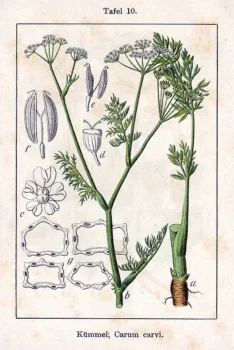
Caraway is a biennial forb – that’s garden-speak for a non-woody plant that completes its life cycle over two years. In its first year, it develops a rosette of feathery, carrot-like foliage. Come the second year, it shoots up flowering stems topped with delicate white umbrella-shaped flower clusters that eventually produce those famous aromatic seeds.
While commonly known simply as caraway, this member of the carrot family goes by the botanical name Carum carvi. You might occasionally see it listed under the synonym Carum velenovskyi Rohlena, though that’s less common in gardening circles.
Where Does Caraway Call Home?
Here’s where things get interesting from a native gardening perspective. Caraway isn’t actually native to North America – it originally hails from Europe and western Asia. However, it has naturalized extensively across the continent and now grows wild in most U.S. states and Canadian provinces, from Alberta to Newfoundland, and from Colorado to Maine.
- Species observed
- No observations
The plant has established itself so thoroughly that it reproduces spontaneously in the wild without human intervention and persists across diverse climates and regions.
The Garden Appeal: Why Gardeners Grow Caraway
Despite its non-native status, caraway offers several appealing qualities for gardeners:
- Dual purpose: Ornamental flowers followed by culinary seeds
- Pollinator magnet: Those tiny white flowers are beloved by bees, beneficial flies, and small beetles
- Low maintenance: Thrives in poor soils and handles drought once established
- Cottage garden charm: Fits perfectly into herb gardens and naturalistic plantings
The plant typically reaches 1-2 feet in height with a similar spread, making it a nice mid-border addition that won’t overwhelm neighboring plants.
Growing Conditions: What Caraway Craves
Caraway is refreshingly undemanding when it comes to growing conditions. Based on its wetland status across different regions, it’s definitely an upland plant that prefers well-drained locations over wet feet. Here’s what it needs to thrive:
- Sunlight: Full sun for best flowering and seed production
- Soil: Well-drained, tolerates poor and sandy soils
- Water: Drought tolerant once established
- Climate: Hardy in USDA zones 3-7
Planting and Care Tips
Growing caraway successfully is mostly about timing and patience. Since it’s a biennial, you’ll need to think in two-year cycles:
- Sowing: Direct sow seeds in fall or early spring – the seeds need cold stratification to germinate properly
- First year: Expect only leafy growth as the plant establishes its root system
- Second year: Flowering occurs in late spring to early summer, followed by seed development
- Harvesting: Collect seeds when they turn brown but before they fall naturally
The plant often self-sows, so once established, you may find new seedlings appearing without additional effort on your part.
A Word About Native Alternatives
While caraway isn’t invasive and can be a valuable garden addition, native plant enthusiasts might consider these North American alternatives that offer similar benefits:
- Wild bergamot (Monarda species): Aromatic herbs with pollinator appeal
- Anise hyssop (Agastache foeniculum): Fragrant foliage and flowers beloved by bees
- Native parsleys (Zizia species): Similar umbel flowers that support native insects
The Bottom Line on Caraway
Caraway occupies an interesting middle ground in the gardening world. It’s not native, but it’s not problematic either. If you’re drawn to its dual ornamental-culinary appeal and don’t mind its non-native status, it can be a delightful addition to herb gardens, cottage gardens, or naturalized areas. Just remember to be patient – good things come to those who wait two years for their caraway harvest!
Whether you choose caraway or opt for native alternatives, the key is creating garden spaces that support both your gardening goals and local ecosystems. Sometimes that means embracing well-behaved non-natives, and sometimes it means celebrating the unique beauty of plants that evolved right in your backyard.