Cardón Cactus: The Towering Desert Giant for Your Xeriscape Garden
Meet the cardón (Echinopsis atacamensis), a spectacular columnar cactus that brings serious desert drama to any landscape brave enough to host it. This towering succulent, also known by its synonym Cereus atacamensis, is like having a living skyscraper in your garden – if skyscrapers bloomed with gorgeous white flowers and required virtually no maintenance.
Where Does Cardón Come From?
The cardón cactus calls the harsh, high-altitude deserts of the Atacama region home, stretching across parts of Chile and Argentina. This is one of the world’s most extreme desert environments, where rainfall is measured in millimeters per year rather than inches. If a plant can thrive there, you know it’s built tough!
What Makes Cardón Special?
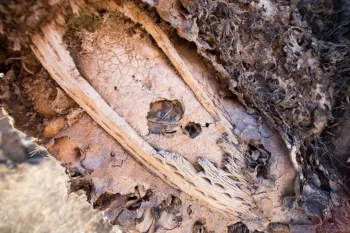
This isn’t your average houseplant cactus. Cardón is a true giant that can eventually reach 15 to 30 feet tall, creating an unmistakable architectural presence in the landscape. Its thick, columnar trunk is ribbed and armed with clusters of spines, giving it that classic saguaro-esque appearance that desert garden enthusiasts love.
But here’s where it gets really interesting – mature cardón cacti produce stunning white, nocturnal flowers that are both fragrant and surprisingly large. These blooms open at night and attract nocturnal pollinators like bats and moths in their native habitat, though in cultivation, you might catch the occasional night-flying moth taking interest.
Is Cardón Right for Your Garden?
Cardón works best in specific garden styles and climates:
- Desert and xeriscape gardens: This is where cardón truly shines as a dramatic focal point
- Modern and minimalist landscapes: Its clean, architectural lines complement contemporary design
- Rock gardens and succulent collections: Perfect for creating height and visual interest
- USDA zones 9-11: Can handle brief light frosts but needs protection from prolonged freezing
Growing Cardón Successfully
The good news? Cardón is remarkably low-maintenance once you get the basics right. Here’s how to keep your desert giant happy:
Planting Tips
- Plant in spring when soil temperatures are warming
- Choose the sunniest spot in your garden – this cactus loves full, blazing sun
- Ensure absolutely excellent drainage – root rot is cardón’s biggest enemy
- Consider raised beds or mounded soil if your area has drainage issues
Care and Maintenance
Once established, cardón practically takes care of itself:
- Watering: Less is definitely more – water deeply but infrequently, allowing soil to dry completely between waterings
- Soil: Sandy, well-draining soil is ideal; avoid heavy clay or moisture-retentive soils
- Fertilizing: Generally unnecessary, though a light application of low-nitrogen cactus fertilizer in spring won’t hurt
- Winter protection: In borderline zones, protect from hard freezes with frost cloth or temporary shelter
Things to Consider
While cardón isn’t native to North America, it’s also not considered invasive. However, if you’re passionate about supporting local ecosystems, you might consider native alternatives like barrel cacti or prickly pear species that provide similar architectural interest while supporting native wildlife.
Also keep in mind that cardón is a slow grower in its early years, so patience is required. But once established, watching this desert giant slowly reach for the sky becomes part of the garden’s long-term story.
The Bottom Line
Cardón cactus is perfect for gardeners who want to make a bold statement with minimal effort. If you have the right climate, well-draining soil, and appreciation for desert beauty, this towering cactus can become the crown jewel of your xeriscape garden. Just remember – in the world of desert gardening, sometimes the most spectacular plants are the ones that ask for the least!