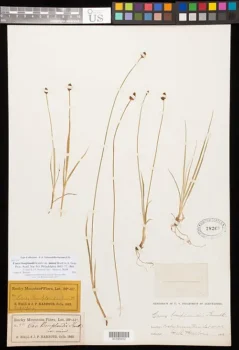
Carex bonplandii: A Mysterious Sedge Worth Investigating
If you’ve stumbled across the name Carex bonplandii in your native plant research, you’re not alone in finding limited information about this elusive sedge. While the botanical world is filled with thousands of documented species, some plants remain shrouded in mystery—and Carex bonplandii appears to be one of them.
What We Know (And Don’t Know)
Carex bonplandii belongs to the sedge family (Cyperaceae), which means it’s a grass-like plant that’s actually more closely related to rushes than true grasses. Sedges are fantastic additions to native gardens, but here’s the thing: reliable information about this particular species is surprisingly scarce in botanical databases and native plant resources.
This lack of documentation could mean several things:
- It might be an outdated taxonomic name that’s been reclassified
- It could be a very rare or highly localized species
- There may be confusion with similar-looking sedge species
The Challenge of Plant Identification
Before falling in love with any plant based on its name alone, it’s crucial to ensure you’re working with accurate identification. Sedges can be notoriously tricky to identify, even for experienced botanists. Many species look remarkably similar, and common names (when they exist) can vary dramatically by region.
Better-Documented Sedge Alternatives
If you’re interested in adding native sedges to your landscape, consider these well-documented and widely available alternatives:
- Pennsylvania Sedge (Carex pensylvanica) – Excellent groundcover for dry shade
- Fox Sedge (Carex vulpinoidea) – Thrives in wet areas and provides excellent wildlife habitat
- Meadow Sedge (Carex granularis) – Perfect for rain gardens and naturalized areas
- Blue Sedge (Carex flaccosperma) – Beautiful blue-green foliage for woodland gardens
Moving Forward with Confidence
Rather than guessing about the mysterious Carex bonplandii, here’s what I recommend:
- Consult with local botanists or native plant societies who might have regional knowledge
- Visit herbarium collections or botanical gardens for expert identification assistance
- Consider choosing well-documented native sedges that are readily available and have proven garden performance
- Always source plants from reputable native plant nurseries that can verify species identity
The Beauty of Sedge Gardens
Whatever sedge species you ultimately choose, you’ll be adding incredible value to your landscape. Sedges offer year-round interest, require minimal maintenance once established, and provide essential habitat for wildlife. They’re particularly valuable for birds, which use sedge seeds as an important food source.
While the mystery of Carex bonplandii remains unsolved, don’t let that discourage you from exploring the wonderful world of native sedges. There are plenty of well-documented, readily available species that will bring both beauty and ecological benefits to your garden.