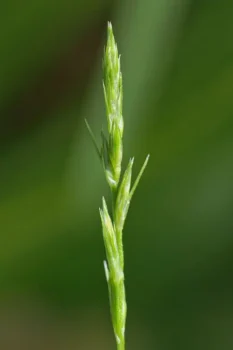
Carex canariensis: The Mysterious Canary Islands Sedge
If you’ve stumbled across the name Carex canariensis in your plant research, you’ve discovered one of the more elusive members of the sedge family. This grass-like plant belongs to the Cyperaceae family, making it a true sedge rather than a grass, but don’t worry if you can’t tell the difference at first glance – even experienced gardeners sometimes mix them up!
What Exactly Is Carex canariensis?
Carex canariensis is a sedge, which means it’s part of a large family of grass-like plants that are actually quite different from true grasses. While the specific details about this particular species remain somewhat mysterious in horticultural circles, the name canariensis suggests a connection to the Canary Islands, giving us a clue about its likely origins.
Like other sedges, Carex canariensis would typically have triangular stems (remember the gardener’s saying: sedges have edges), and produces small, inconspicuous flowers that develop into seed heads. These characteristics help distinguish sedges from their grass cousins, which have round, hollow stems.
The Challenge with This Particular Sedge
Here’s where things get interesting – and a bit frustrating for curious gardeners. Carex canariensis appears to be one of those plant species that hasn’t made its way into mainstream horticulture or common gardening references. This could mean several things:
- It might be a rare or localized species
- It could be primarily of botanical interest rather than garden use
- It may have limited ornamental value compared to other sedges
- Information about it might be scattered in specialized botanical literature
Geographic Distribution
Based on the species name, Carex canariensis likely has ties to the Canary Islands region, though specific distribution information is not readily available in standard horticultural sources.
Should You Try to Grow It?
Given the limited information available about Carex canariensis, it’s not a sedge we can confidently recommend for home gardens. However, this doesn’t mean you should give up on sedges entirely! The Carex genus includes hundreds of species, many of which make excellent garden plants.
Better-Known Sedge Alternatives
If you’re interested in adding sedges to your garden, consider these well-documented alternatives:
- Carex pensylvanica (Pennsylvania sedge) – excellent for naturalizing
- Carex elata ‘Aurea’ (Bowles’ golden sedge) – stunning yellow foliage
- Carex morrowii (Japanese sedge) – reliable evergreen option
- Carex comans (New Zealand hair sedge) – unique texture and movement
What This Means for Your Garden
While Carex canariensis remains something of a botanical puzzle, this highlights an important point about native plant gardening: not every species that exists in nature is suitable or available for cultivation. Sometimes the most responsible approach is to choose well-documented plants with known growing requirements and established sources.
If you’re specifically interested in plants from the Canary Islands region, research other documented species from that area that are available through reputable nurseries. This way, you can create a beautiful garden while supporting plants with known cultivation requirements and conservation status.
The Bottom Line
Carex canariensis serves as a reminder that the plant world is vast and full of mysteries. While we can’t provide specific growing advice for this particular sedge due to limited available information, it’s opened up a conversation about the wonderful world of sedges in general. Sometimes the plants we can’t grow teach us just as much about gardening as the ones we can!