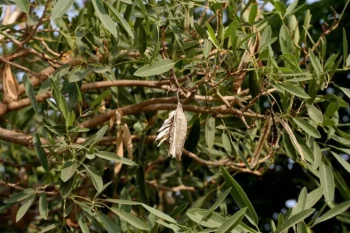
Caribbean Trumpet-Tree: A Golden Spectacle for Warm Climate Gardens
If you’ve ever been dazzled by a tree absolutely dripping with golden-yellow trumpet flowers, chances are you’ve encountered the Caribbean trumpet-tree (Tabebuia aurea). This South American native has found its way into warm climate gardens across Florida, Puerto Rico, and the U.S. Virgin Islands, where it puts on quite the show when in bloom.
What Is the Caribbean Trumpet-Tree?
The Caribbean trumpet-tree, also known by its botanical name Tabebuia aurea, is a perennial tree that can grow well over 13-16 feet tall with a single trunk. Don’t let the Caribbean in its common name fool you – this beauty actually hails from South America, particularly Brazil, Paraguay, Argentina, and Bolivia. You might also see it listed under its synonyms Tabebuia argentea or Tabebuia caraiba in older gardening references.
Where Does It Grow?
As a non-native species that has naturalized in warmer parts of the United States, the Caribbean trumpet-tree currently thrives in Florida, Puerto Rico, and the U.S. Virgin Islands. It reproduces on its own in these areas and has established itself as part of the local landscape.
- Species observed
- No observations
Why Consider (or Not Consider) This Tree?
The main draw of the Caribbean trumpet-tree is undeniably its spectacular floral display. When this tree blooms, it transforms into a golden beacon that’s visible from quite a distance. The bright yellow trumpet-shaped flowers appear in dense clusters, creating a canopy that looks like it’s been touched by Midas himself.
However, since this is a non-native species, you might want to consider native alternatives first. Native trees provide better support for local wildlife and are naturally adapted to your region’s conditions. That said, if you’re drawn to the Caribbean trumpet-tree’s unique beauty and it’s suited to your climate, it can make a striking addition to the right landscape.
Garden Role and Landscape Use
This tree works beautifully as:
- A specimen tree where you want maximum visual impact
- A shade tree for larger properties
- Street tree in urban tropical settings
- Focal point in parks and public spaces
It’s best suited for tropical and subtropical gardens where it has room to reach its full potential.
Wildlife and Pollinator Benefits
The trumpet-shaped flowers are magnets for pollinators, particularly bees, butterflies, and hummingbirds. When in bloom, expect your tree to buzz with activity as various creatures visit for nectar.
Growing Conditions and Care
The Caribbean trumpet-tree thrives in USDA hardiness zones 9b through 11. Here’s what it needs to flourish:
- Sunlight: Full sun for best flowering
- Soil: Well-draining soil is essential – this tree doesn’t like wet feet
- Water: Drought tolerant once established, but needs regular watering during its first few years
- Climate: Prefers warm temperatures year-round
Planting and Care Tips
If you decide to plant a Caribbean trumpet-tree, here’s how to give it the best start:
- Plant in spring when temperatures are warming up
- Choose a location with plenty of space – these trees need room to spread
- Water regularly during the establishment period (first 2-3 years)
- Prune after flowering to maintain shape, but don’t go overboard
- Protect young trees from frost in marginal zones
- Be patient – it may take several years before you see those spectacular blooms
Consider Native Alternatives
Before planting Caribbean trumpet-tree, consider these native alternatives that provide similar benefits while supporting local ecosystems:
- Southern magnolia (Magnolia grandiflora) for evergreen beauty
- Redbud (Cercis canadensis) for spring flowering
- Tulip tree (Liriodendron tulipifera) for impressive size and flowers
The Bottom Line
The Caribbean trumpet-tree is undeniably stunning when it blooms, creating a golden spectacle that’s hard to match. While it’s not native to North America, it has established itself in warmer regions without apparent invasive tendencies. If you have the right climate and space, and you’re drawn to its unique beauty, it can be a worthwhile addition to your landscape. Just remember to consider native options first, and always source your plants responsibly from reputable nurseries.