Carnauba Wax Palm: The Tree of Life for Warm Climate Gardens
If you’ve ever wondered where that glossy finish on your car comes from, you might be surprised to learn it often starts with a palm tree! The carnauba wax palm (Copernicia prunifera) is a remarkable species that’s been dubbed the tree of life in its native Brazil, and it’s increasingly catching the eye of gardeners in warm climates across the United States.
What Makes the Carnauba Wax Palm Special?
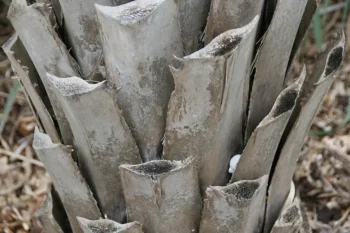
This isn’t your average palm tree. The carnauba wax palm stands out with its distinctive fan-shaped leaves that shimmer with a natural waxy coating, giving the entire tree an almost silvery-blue appearance that’s absolutely stunning in the landscape. The waxy coating isn’t just for show – it’s the source of carnauba wax, one of the hardest natural waxes known to science.
You might also see this palm listed under its synonym Copernicia cerifera, but Copernicia prunifera is the accepted botanical name. While it goes by several common names in its native range, carnauba wax palm is the most widely recognized name in English.
Where Does It Come From?
The carnauba wax palm calls northeastern Brazil home, thriving naturally in the states of Ceará, Piauí, and Rio Grande do Norte. In these regions, it’s adapted to survive in challenging conditions with intense sun, periodic droughts, and poor soils – characteristics that make it surprisingly resilient in similar climates elsewhere.
Should You Plant a Carnauba Wax Palm?
Here’s the honest truth: this palm isn’t native to the United States, so if you’re focused on creating a purely native landscape, you’ll want to look elsewhere. However, it’s not considered invasive either, which means you can plant it without worrying about ecological harm.
Reasons you might love it:
- Absolutely stunning visual appeal with unique waxy, silvery leaves
- Extremely drought tolerant once established
- Slow to moderate growth rate means low maintenance
- Can reach 40-50 feet tall, making an impressive specimen
- Historically and culturally significant plant
Reasons you might want to skip it:
- Only suitable for USDA zones 9b-11 (very warm climates only)
- Not native to North American ecosystems
- Can be expensive and difficult to source
- Very slow initial growth can test your patience
Growing Carnauba Wax Palm Successfully
If you live in South Florida, South Texas, Southern California, or Hawaii, you’re in luck – these are about the only places in the US where you can successfully grow this Brazilian beauty outdoors year-round.
Perfect Growing Conditions
Think desert oasis when planning for your carnauba wax palm:
- Sunlight: Full sun is absolutely essential – this palm loves intense, direct sunlight
- Soil: Well-draining soil is critical; it can handle poor, sandy, or rocky soils but will rot in consistently wet conditions
- Water: Drought tolerant once established, but young plants need regular watering for the first few years
- Temperature: Cannot tolerate freezing temperatures; even brief cold snaps can damage or kill the plant
Planting and Care Tips
Getting your carnauba wax palm established requires patience and the right approach:
- Plant in spring after all danger of frost has passed
- Dig a hole twice as wide as the root ball but no deeper
- Water regularly for the first 2-3 years while the root system develops
- Once established, water deeply but infrequently
- Fertilize with palm-specific fertilizer 2-3 times per year
- Remove only completely brown fronds – never cut green ones
Landscape Role and Design Ideas
The carnauba wax palm makes an outstanding specimen tree, particularly in xerophytic (drought-tolerant) landscapes. Its unique coloring and form create a striking focal point that’s hard to match. It works beautifully in tropical and subtropical garden designs, particularly when paired with other drought-tolerant plants like agaves, yuccas, and native cacti.
Wildlife and Pollinator Benefits
While not a native species, mature carnauba wax palms do produce small flowers that can attract various insects. The palm’s structure also provides nesting opportunities for some birds, though you’ll get much greater wildlife benefits from native palm species in your area.
Native Alternatives to Consider
If you love the idea of a drought-tolerant palm but want to support native ecosystems, consider these alternatives depending on your location:
- Florida: Sabal palmetto (cabbage palm) or Serenoa repens (saw palmetto)
- Texas: Sabal texana (Texas palmetto) or Brahea berlandieri (Hesper palm)
- California: Washingtonia filifera (California fan palm)
The Bottom Line
The carnauba wax palm is undeniably beautiful and fascinatingly unique, but it’s definitely a specialty plant for specific conditions and climates. If you live in the right zone and want a conversation-starting specimen that can handle tough conditions, it might be worth the investment. Just remember that supporting native plants is generally better for local ecosystems, so consider native alternatives first.
Whether you choose the exotic carnauba wax palm or a native alternative, the key is selecting plants that match your climate, soil, and maintenance preferences. Happy gardening!