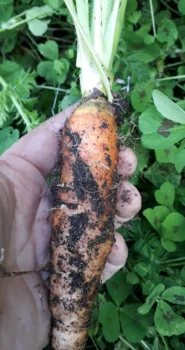
Growing Carrots: A Beginner’s Guide to This Garden Favorite
Few vegetables are as satisfying to grow as the humble carrot. There’s something almost magical about pulling a bright orange root from the soil that you planted months earlier as a tiny seed. Daucus carota var. sativus, commonly known as the carrot, has been delighting gardeners and dinner tables for centuries.
What Are Carrots, Really?
Carrots are biennial forbs, which means they’re herbaceous plants that complete their life cycle over two years. In their first year, they develop that familiar taproot we love to crunch on, along with feathery green foliage above ground. If left in the ground for a second year, they’ll send up tall stems topped with delicate white umbrella-shaped flower clusters that look surprisingly elegant in the garden.
While we typically think of carrots as orange, they actually come in a rainbow of colors including purple, white, yellow, and even red varieties. The orange color we associate with carrots was actually developed relatively recently in agricultural history!
Native Status and Origins
Carrots aren’t native to North America. They’re derived from wild carrots (Queen Anne’s lace) that originally hail from Europe and Asia. Through centuries of cultivation and selection, farmers transformed the thin, woody wild roots into the plump, sweet vegetables we know today.
Why Grow Carrots in Your Garden?
Carrots earn their place in the garden for several compelling reasons:
- Homegrown flavor: Fresh carrots from your garden taste incomparably sweeter and more complex than store-bought ones
- Space efficient: They grow down rather than out, making them perfect for small gardens
- Long storage: Properly stored carrots can last months after harvest
- Pollinator benefits: If allowed to flower in their second year, they attract beneficial insects
- Kid-friendly: Children love growing and harvesting their own carrots
Perfect Growing Conditions
Carrots are surprisingly particular about their growing conditions, but once you understand their needs, they’re quite reliable:
- Sunlight: Full sun (at least 6 hours daily)
- Soil: Well-draining, loose, sandy loam soil works best
- pH: Slightly acidic to neutral (6.0-7.0)
- Water: Consistent moisture without waterlogging
- Temperature: Cool-season crop that tolerates light frost
The key to straight, well-formed carrots is loose, deep soil. Heavy clay or rocky soil will cause carrots to fork, twist, or become stunted.
Planting and Care Tips
Growing carrots successfully starts with proper planting technique:
- Timing: Plant 2-3 weeks before the last frost date in spring
- Seeding: Direct sow seeds ¼ to ½ inch deep in rows
- Spacing: Thin seedlings to 2-3 inches apart once they’re 2 inches tall
- Watering: Keep soil consistently moist but not soggy
- Mulching: Apply light mulch to retain moisture and suppress weeds
Carrot seeds can be slow to germinate (10-14 days), so be patient! Many gardeners mix carrot seeds with radish seeds, which germinate quickly and help mark the rows.
USDA Hardiness Zones
Carrots can be grown as annuals in USDA zones 2-11. In warmer zones (6-10), they can overwinter in the ground and complete their biennial cycle, producing flowers and seeds in the second year.
Landscape Design Ideas
While carrots are primarily vegetable garden plants, they can play interesting roles in edible landscaping:
- Kitchen gardens: Perfect for formal potager-style layouts
- Container gardens: Grow well in deep containers or raised beds
- Edible borders: Their feathery foliage adds texture to garden edges
- Cut flower gardens: Second-year flowers make lovely additions to bouquets
Wildlife and Pollinator Benefits
While carrots grown for their roots don’t provide significant wildlife benefits, allowing some plants to flower in their second year creates valuable habitat. The umbrella-shaped flower clusters attract beneficial insects, including parasitic wasps that help control garden pests, as well as bees and butterflies.
Consider Native Alternatives
If you’re interested in supporting local wildlife while growing edible plants, consider incorporating some native alternatives alongside your carrots:
- Wild ginger for shade areas with edible roots
- Jerusalem artichoke for sunny spots with edible tubers
- Native onions for similar growing conditions with edible bulbs
The Bottom Line
Carrots may not be native plants, but they’re wonderful additions to any food garden. They’re relatively easy to grow, incredibly rewarding to harvest, and if you let a few go to seed, they’ll even support local pollinators. Just remember: loose soil is the secret to success, and patience during germination will be rewarded with sweet, crunchy homegrown carrots that put the store-bought versions to shame.
Whether you’re a beginning gardener looking for a reliable crop or an experienced grower wanting to try some colorful heirloom varieties, carrots deserve a spot in your garden plan. Happy growing!