Growing Cassia Trees: The Aromatic Spice Tree for Warm Climate Gardens
If you’ve ever wondered where cinnamon comes from, meet the cassia tree (Cinnamomum aromaticum) – one of nature’s most aromatic offerings. This evergreen beauty isn’t just a pretty face in the garden; it’s the source of cassia bark, a popular spice that’s closely related to true cinnamon. While it’s not native to North America, this Asian native has found its way into the hearts of gardeners in warmer climates who appreciate both its ornamental value and practical uses.
What is Cassia?
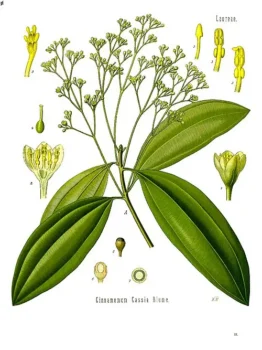
Cassia, scientifically known as Cinnamomum aromaticum, is a large evergreen tree native to southern China and northern Myanmar. You might also see it listed under its synonym, Cinnamomum cassia. This impressive tree can reach substantial heights and creates a stunning focal point in any landscape large enough to accommodate it.
Why You Might Want to Grow Cassia
There are several compelling reasons why gardeners in suitable climates fall for cassia trees:
- Aromatic Appeal: The entire tree is fragrant – bark, leaves, and even the wood emit that distinctive spicy-sweet scent
- Year-Round Beauty: As an evergreen, it provides consistent green foliage and structure to your landscape
- Attractive Features: Glossy dark green leaves, clusters of small yellowish flowers, and dark purple berries create visual interest throughout the seasons
- Pollinator Magnet: The flowers attract bees and other beneficial pollinators to your garden
- Practical Uses: You can harvest the aromatic bark for culinary purposes (though sustainably, please!)
Why You Might Think Twice
Before you rush to plant a cassia tree, consider these potential drawbacks:
- Size Requirements: These trees get big – really big. They need plenty of space and aren’t suitable for small gardens
- Climate Limitations: Only gardeners in USDA zones 9-11 can successfully grow cassia outdoors year-round
- Not Native: If you’re focused on supporting local ecosystems, you might prefer native alternatives that provide similar benefits to local wildlife
Native Alternatives to Consider
For gardeners interested in aromatic, evergreen trees that support local ecosystems, consider these native alternatives:
- Southern Magnolia: Large evergreen with fragrant flowers
- Red Bay: Aromatic native tree in the same family as cassia
- Live Oak: Majestic evergreen providing excellent wildlife habitat
Growing Conditions and Care
If you’ve decided cassia is right for your garden and climate, here’s what you need to know:
Light Requirements: Cassia thrives in full sun to partial shade. While it can tolerate some shade, full sun promotes the best growth and aromatic oil production.
Soil Needs: Well-draining soil is essential. These trees don’t like wet feet, but they do appreciate consistent moisture, especially during their establishment period.
Climate Preferences: Warm, humid conditions are ideal. Cassia trees are cold-sensitive and need protection from harsh winds and freezing temperatures.
Planting and Care Tips
Successfully growing cassia requires attention to a few key details:
- Location Selection: Choose a spot with plenty of room for growth and protection from cold winds
- Watering: Maintain consistent moisture during the first few years while the tree establishes its root system
- Pruning: Light pruning to maintain shape is usually sufficient – these trees naturally develop an attractive form
- Cold Protection: In borderline zones, consider planting near a south-facing wall or other protected location
- Patience: Like most trees, cassia takes time to reach maturity, so plan for the long term
Is Cassia Right for Your Garden?
Cassia trees can be wonderful additions to the right garden – one with plenty of space, warm climate, and a gardener who appreciates aromatic plants with practical uses. However, if you’re working with limited space or prioritizing native plant choices, you might be better served by exploring native alternatives that provide similar benefits while supporting local wildlife.
Remember, the best garden is one that reflects your personal preferences while working harmoniously with your local environment. Whether you choose cassia or a native alternative, the key is selecting plants that will thrive in your specific conditions and bring you joy for years to come.