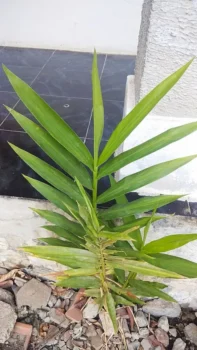
Cassumunar Ginger: A Tropical Beauty with Exotic Appeal
If you’ve been dreaming of adding some tropical flair to your garden, you might have stumbled across Cassumunar ginger (Zingiber montanum). This eye-catching perennial brings a touch of Southeast Asian elegance to warm climate gardens, but is it the right choice for your landscape? Let’s dig into what makes this ginger species special and whether it deserves a spot in your garden beds.
What is Cassumunar Ginger?
Cassumunar ginger is a herbaceous perennial that belongs to the ginger family. You might also see it listed under its former scientific names, Zingiber cassumunar or Zingiber purpureum, but they’re all the same plant. This tropical beauty hails from Southeast Asia, where it’s been treasured for both ornamental and medicinal purposes for centuries.
As a non-native species, Cassumunar ginger has made its way to various warm regions around the world, including Puerto Rico, where it has established itself and reproduces naturally in the wild.
- Species observed
- No observations
Visual Appeal and Garden Presence
What really sets Cassumunar ginger apart is its stunning floral display. The plant produces vibrant yellow flowers adorned with striking red bracts that seem to glow against the backdrop of broad, green foliage. Growing anywhere from 3 to 6 feet tall, this ginger creates an impressive vertical presence that can serve as a focal point or backdrop in your garden design.
The lush, tropical leaves provide excellent texture contrast when paired with other garden plants, making it a favorite for creating that exotic, resort-like atmosphere many gardeners crave.
Where Does It Fit in Your Landscape?
Cassumunar ginger works beautifully in several garden settings:
- Tropical and subtropical garden themes
- Asian-inspired landscapes
- Medicinal or herb gardens
- Mixed perennial borders in warm climates
- Container gardens on patios or decks
Its moderate size makes it versatile enough for both small residential gardens and larger landscape installations.
Growing Conditions and Care
If you’re considering adding Cassumunar ginger to your garden, you’ll need to provide the right tropical conditions:
Climate Requirements: This plant thrives in USDA hardiness zones 9-11, so gardeners in cooler climates will need to grow it in containers and bring it indoors during winter.
Light Needs: Cassumunar ginger performs best in partial shade to full sun conditions, though some afternoon shade in extremely hot climates is appreciated.
Soil Preferences: Well-draining, consistently moist soil is essential. The plant doesn’t tolerate waterlogged conditions but also suffers in drought.
Humidity: High humidity levels help this tropical native thrive, making it perfect for naturally humid climates or areas where you can provide supplemental moisture.
Planting and Care Tips
Getting your Cassumunar ginger established successfully requires attention to a few key details:
- Plant rhizomes in spring after the last frost date
- Maintain consistent soil moisture through regular watering
- Apply a thick layer of mulch to retain moisture and suppress weeds
- Protect from strong winds that can damage the broad leaves
- Feed with a balanced fertilizer during the growing season
- In colder zones, lift rhizomes before frost or grow in containers
Benefits for Pollinators
The vibrant flowers of Cassumunar ginger aren’t just pretty to look at – they also provide nectar for various pollinators including bees and butterflies. This makes it a functional addition to pollinator gardens in appropriate climates.
Should You Plant Cassumunar Ginger?
While Cassumunar ginger offers undeniable beauty and can be a stunning addition to warm climate gardens, it’s worth considering native alternatives that provide similar aesthetic appeal while supporting local ecosystems more effectively. Since this species has naturalized in some areas, responsible gardening practices suggest researching native gingers or other tropical perennials that might offer similar benefits.
If you do choose to grow Cassumunar ginger, be mindful of its spreading nature and consider containing it to prevent unwanted spread into natural areas.
The Bottom Line
Cassumunar ginger is undoubtedly a beautiful plant that can add exotic flair to the right garden setting. Its striking flowers, lush foliage, and moderate size make it an appealing choice for tropical-themed landscapes. However, responsible gardeners in zones 9-11 might want to first explore native alternatives that provide similar visual impact while better supporting local wildlife and ecosystems.
Whether you choose this exotic beauty or opt for a native alternative, the key to success lies in providing the warm, humid conditions that tropical plants crave. With proper care, you’ll be rewarded with months of stunning blooms and lush, tropical ambiance in your garden.