Cat’s Ear: The European Wildflower That’s Made Itself at Home
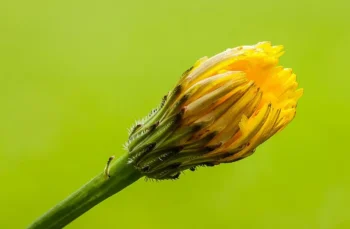
If you’ve ever spotted small yellow flowers that look suspiciously like dandelions dotting your lawn or garden beds, you might be looking at cat’s ear (Hypochaeris). This European native has become a familiar sight across North America, from Alaska to Hawaii, though it wasn’t originally invited to the party.
What Exactly Is Cat’s Ear?
Cat’s ear is a forb – essentially a non-woody flowering plant that forms rosettes of leaves close to the ground. Despite its common name, it has nothing to do with feline ears (though the fuzzy leaves might remind you of them). This hardy little plant can be either annual or perennial, depending on growing conditions and the specific variety you’re dealing with.
The plant gets its name from its somewhat hairy, elongated leaves that some folks think resemble cat ears. It’s also known by the scientific name Hypochaeris, and you might occasionally see it spelled as Hypochoeris in older references.
Where You’ll Find Cat’s Ear
Cat’s ear has truly made itself at home across North America. You can find it thriving in an impressive range of locations, from Alabama to Alaska, and from British Columbia to Newfoundland. It’s established populations in virtually every U.S. state and Canadian province, plus it’s even made its way to Hawaii.
- Species observed
- No observations
This wide distribution tells us something important: cat’s ear is incredibly adaptable and doesn’t need much coddling to survive.
Should You Plant Cat’s Ear in Your Garden?
Here’s where things get interesting. While cat’s ear isn’t native to North America, it’s not typically listed as an aggressive invasive species either. However, that doesn’t necessarily mean you should rush out to plant it. Think of it more like that acquaintance who shows up uninvited but isn’t exactly causing trouble.
The plant does offer some benefits:
- Its yellow flowers can attract pollinators like bees and small butterflies
- It’s extremely low-maintenance (translation: it basically takes care of itself)
- It can grow in poor soils where other plants struggle
However, most gardeners encounter cat’s ear as a volunteer rather than an intentional planting. If you’re looking to support local ecosystems, consider these native alternatives that offer similar benefits:
- Wild bergamot for pollinator appeal
- Native asters for late-season blooms
- Local wildflower mixes suited to your region
Growing Conditions and Care
If cat’s ear has already established itself in your yard, or if you’re curious about its growing requirements, here’s what you need to know:
Hardiness: This plant is tough as nails and can handle a wide range of USDA hardiness zones, likely anywhere from zone 3 to zone 10 based on its extensive distribution.
Growing Conditions: Cat’s ear is remarkably unfussy. It tolerates various soil types, from poor to moderately fertile, and can handle both full sun and partial shade. It’s also quite drought-tolerant once established.
Maintenance: Here’s the thing about cat’s ear – it doesn’t really need your help. It self-seeds readily and can pop up in lawns, garden beds, and disturbed areas without any assistance. If anything, you might find yourself managing its spread rather than encouraging its growth.
The Bottom Line
Cat’s ear is one of those plants that exists in the gray area between wildflower and weed. While it’s not native, it’s generally not considered a major ecological threat. If you find it growing in your garden, you can appreciate its modest yellow blooms and pollinator value while keeping an eye on its spread.
For new plantings, though, consider choosing native species that will provide similar benefits while supporting your local ecosystem. Your local native plant society or extension office can help you identify the best native alternatives for your specific region and garden conditions.
Remember, the best garden is one that works with nature rather than against it – and sometimes that means appreciating the unexpected volunteers while making thoughtful choices about new additions.