Cat’s-Whiskers: A Charming Tropical Perennial for Warm Climate Gardens
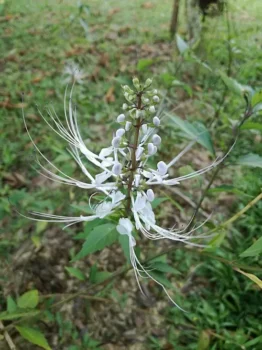
If you’ve ever wondered what plant could make your garden visitors do a double-take, meet cat’s-whiskers (Orthosiphon aristatus)! This delightfully named perennial gets its quirky moniker from its most distinctive feature: long, thread-like stamens that extend far beyond its small flowers, creating the perfect resemblance to feline facial fur. While it may sound like something from a Dr. Seuss book, this tropical beauty is a real showstopper in the right garden setting.
Origins and Distribution
Cat’s-whiskers hails from the warm, humid regions of Southeast Asia, particularly Malaysia and Indonesia. However, this adaptable plant has made itself at home in various Pacific locations, including Guam and Palau, where it now grows and reproduces on its own in the wild. As a non-native species that has naturalized in these areas, it demonstrates remarkable resilience in tropical climates.
- Species observed
- No observations
What Makes Cat’s-Whiskers Special
This herbaceous perennial belongs to the forb family, meaning it’s a non-woody flowering plant that dies back to the ground each year in cooler climates but maintains its root system. The real magic happens when cat’s-whiskers blooms, producing clusters of small white to pale purple tubular flowers adorned with those famous long stamens that give the plant its whimsical name.
Beyond its conversation-starting appearance, cat’s-whiskers serves as a pollinator magnet. Butterflies and bees find its nectar-rich flowers irresistible, making it a valuable addition to wildlife-friendly gardens in appropriate climates.
Garden Role and Design Uses
Cat’s-whiskers shines in several garden settings:
- Tropical and subtropical landscape borders
- Herb gardens (it has traditional medicinal uses)
- Container gardens on patios or decks
- Butterfly gardens for its pollinator appeal
- Mixed perennial beds in warm climates
Growing Conditions and Care
Success with cat’s-whiskers depends largely on recreating its preferred tropical environment:
Climate Requirements: This plant thrives in USDA hardiness zones 9-11, where temperatures rarely dip below freezing. In cooler regions, treat it as an annual or grow it in containers that can be moved indoors during winter.
Soil and Water: Provide consistently moist, well-draining soil. Cat’s-whiskers appreciates regular watering but won’t tolerate waterlogged conditions.
Light Requirements: While adaptable to various light conditions, it performs best in partial shade to full sun, especially in humid environments.
Planting and Maintenance Tips
Getting started with cat’s-whiskers is relatively straightforward if you can provide the right conditions:
- Plant after all danger of frost has passed
- Space plants adequately to allow for air circulation
- Water regularly, especially during dry spells
- In colder zones, consider container growing for easy winter protection
- Deadhead spent flowers to encourage continued blooming
Should You Grow Cat’s-Whiskers?
Cat’s-whiskers can be a delightful addition to gardens in appropriate climates, particularly for gardeners who enjoy unique, conversation-starting plants and want to support pollinators. However, since it’s not native to most areas where it’s grown, consider these factors:
Pros:
- Unique, eye-catching flowers
- Attracts beneficial pollinators
- Relatively easy care in suitable climates
- Interesting addition to herb or specialty gardens
Considerations:
- Limited cold tolerance restricts growing regions
- As a non-native species, it doesn’t support native ecosystems as effectively as indigenous plants
- May require winter protection or indoor growing in cooler climates
Native Alternatives to Consider
While cat’s-whiskers has its charms, supporting native ecosystems benefits both wildlife and garden health. Consider exploring native flowering perennials in your area that offer similar pollinator benefits and interesting blooms. Your local native plant society or extension office can recommend species that naturally thrive in your specific region and provide superior habitat value for local wildlife.
Whether you choose cat’s-whiskers or a native alternative, the most important thing is creating a garden that brings you joy while supporting the broader ecosystem around you!