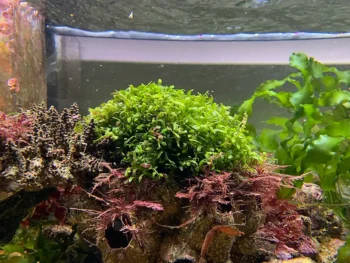
Caulerpa: The Marine Algae That’s Not for Your Garden
If you’ve stumbled across the name caulerpa while researching plants for your garden, you might be surprised to learn that this isn’t actually a plant you can grow in your backyard at all! Caulerpa is a fascinating but problematic marine green algae that belongs in the ocean, not in terrestrial gardens.
What Exactly Is Caulerpa?
Caulerpa is a genus of marine green algae that thrives in saltwater environments. Despite being classified as algae rather than a true plant, it has some plant-like characteristics that might cause confusion. You’ll find various species with bright green, feathery or grape-like structures that can look quite attractive underwater.
This marine organism is non-native to North American waters and has been introduced to various coastal areas, where it reproduces spontaneously without human intervention. In the United States, it’s been documented along the California coast.
- Species observed
- No observations
Why Caulerpa Isn’t Garden-Friendly
Here’s the thing about caulerpa – it’s designed for life in saltwater, not soil. This marine algae requires:
- Saltwater environment
- Underwater conditions
- Marine substrates (not soil)
- Ocean-specific nutrients and conditions
Simply put, your garden beds, containers, or landscape features can’t provide what caulerpa needs to survive.
The Invasive Issue
While caulerpa might look appealing in its marine environment, it’s important to know that many species are considered highly invasive in non-native waters. These algae can quickly overtake native marine ecosystems, crowding out local species and disrupting underwater habitats.
What This Means for Gardeners
If you’re looking for plants with similar aesthetic appeal to caulerpa’s feathery, green appearance, consider these native terrestrial alternatives instead:
- Native ferns for that delicate, feathery texture
- Native grasses for flowing, green movement
- Native sedges for similar fine-textured foliage
These options will give you beautiful green textures while supporting your local ecosystem and wildlife – something that marine algae simply cannot do in a terrestrial garden setting.
Bottom Line
Caulerpa is an interesting marine organism, but it’s definitely not a candidate for your garden or landscape. If you encountered this name while plant shopping, you might want to double-check what you’re actually looking for. For gardeners seeking attractive, flowing green foliage, stick with native terrestrial plants that will thrive in soil and support local wildlife!