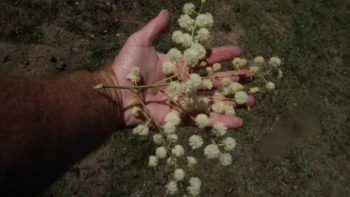
Cedar Wattle: A Fast-Growing Australian Beauty for California Gardens
If you’re looking for a quick-growing tree that bursts with sunshine-yellow blooms, cedar wattle (Acacia elata) might catch your eye. This Australian native has made itself at home in California, bringing its cheerful winter flowers and feathery foliage to Golden State landscapes.
What is Cedar Wattle?
Cedar wattle is a perennial tree that typically grows 13-16 feet tall or more, though it can sometimes develop a shorter, multi-stemmed form depending on growing conditions. Don’t let the name fool you – this isn’t a cedar at all, but rather a member of the acacia family known for its distinctive ball-shaped, bright yellow flowers that appear in winter and early spring.
Where Does It Grow?
Originally from southeastern Australia, cedar wattle has established itself in California, where it grows and reproduces without human assistance. As a non-native species that has naturalized in the wild, it’s found its niche in the state’s Mediterranean-like climate.
- Species observed
- No observations
The Appeal of Cedar Wattle
There’s no denying cedar wattle’s visual charm. Its delicate, bipinnate leaves create a soft, feathery texture that moves gracefully in the breeze. But the real showstopper is its abundant display of fragrant, golden-yellow flowers that brighten up the landscape during the cooler months when many other plants are dormant.
This fast-growing tree serves multiple roles in the landscape:
- Excellent screening tree for privacy
- Effective windbreak
- Erosion control on slopes
- Eye-catching specimen tree
Garden Types and Growing Conditions
Cedar wattle thrives in Mediterranean-style gardens, drought-tolerant landscapes, and coastal settings. It’s particularly well-suited for USDA hardiness zones 9-11, where it can handle mild winters and warm summers.
This tree appreciates:
- Full sun exposure
- Well-draining soil
- Minimal water once established
- Protection from strong winds when young
Planting and Care Tips
Cedar wattle is refreshingly low-maintenance once it gets going. Plant it in a sunny spot with good drainage, and you’re most of the way there. Young trees benefit from regular watering during their first year, but mature trees are quite drought tolerant.
Keep in mind that cedar wattle can self-seed readily, so you may find seedlings popping up around your garden. This vigorous reproduction is something to consider when deciding where to plant it.
Benefits to Pollinators
The abundant, nectar-rich flowers are a magnet for bees and other pollinators, providing valuable food sources during the winter and early spring months when fewer plants are blooming.
Should You Plant Cedar Wattle?
While cedar wattle offers undeniable beauty and easy care, its non-native status and tendency to self-seed warrant careful consideration. If you choose to plant it, be prepared to manage volunteer seedlings and consider its potential impact on local ecosystems.
For gardeners seeking similar benefits with native alternatives, consider exploring California’s own acacia species or other native trees that provide comparable screening, wildlife benefits, and drought tolerance. Native plant societies and local extension offices can help you discover beautiful indigenous options that support local wildlife and ecosystems.
If you do decide to grow cedar wattle, enjoy its cheerful blooms and rapid growth, but plant responsibly and stay mindful of its spreading tendencies.