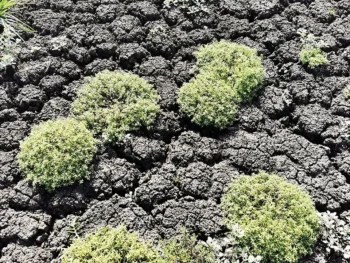
Centipeda: A Lesser-Known Annual Forb for Curious Gardeners
If you’ve stumbled across the name centipeda in your gardening research, you might be wondering what exactly this plant is and whether it deserves a spot in your garden. While centipeda isn’t as well-documented as many popular garden plants, it’s an interesting annual forb that has found its way into a few corners of the United States.
What is Centipeda?
Centipeda is an annual forb, which simply means it’s a soft-stemmed, herbaceous plant that completes its entire life cycle in one growing season. Unlike woody plants that develop thick stems and bark, forbs like centipeda stay relatively soft and green throughout their lives, making them more similar to what most people think of as typical garden flowers or weeds.
As a non-native species, centipeda originally came from somewhere else but has established itself in parts of the United States, reproducing on its own without human intervention.
Where Does Centipeda Grow?
Currently, centipeda has been documented growing in Massachusetts and Pennsylvania. This limited distribution suggests it’s either a relatively recent introduction or a plant that has very specific growing requirements that aren’t met in many other areas.
- Species observed
- No observations
Should You Grow Centipeda?
Here’s where things get a bit tricky – there’s surprisingly little information available about centipeda’s garden performance, growing requirements, or potential benefits to wildlife. This lack of documentation could mean a few things:
- It’s not commonly cultivated in gardens
- It may be considered more of a wildflower or naturalized plant
- Its ornamental value might be limited
Since we don’t have clear information about whether centipeda might be invasive or problematic, and given its non-native status, you might want to consider native alternatives first. Native plants are generally better adapted to local conditions and provide more reliable benefits to local wildlife.
Native Alternatives to Consider
Instead of centipeda, you might want to explore these native annual forbs that could fill a similar niche in your garden:
- Native asters that reseed annually
- Annual sunflowers (Helianthus annuus)
- Local native wildflowers appropriate to your region
What We Don’t Know (And Why That Matters)
The limited available information about centipeda means we’re missing some pretty important details that most gardeners want to know:
- How tall and wide it grows
- What conditions it prefers
- Whether it attracts beneficial insects
- If it has any ornamental appeal
- How to successfully grow it from seed
The Bottom Line
While centipeda might be an intriguing plant for the truly adventurous gardener, the lack of cultivation information makes it a bit of a gamble. If you’re set on trying something unusual in your garden, you’ll likely have better success and more predictable results with well-documented native species that provide known benefits to local ecosystems.
Remember, every garden is an opportunity to support local wildlife and contribute to regional biodiversity – something that’s much easier to achieve when you stick with plants that have a proven track record in your area.