Centipede Tongavine: A Tropical Climbing Vine for Adventurous Gardeners
If you’re looking to add some tropical flair to your garden or indoor space, you might have stumbled across the centipede tongavine (Epipremnum pinnatum). This climbing perennial vine, also known as pothos vine, has been making its way into gardens and homes across warmer regions of the United States. But is it the right choice for your space?
What Exactly is Centipede Tongavine?
Centipede tongavine is a climbing vine that belongs to the aroid family. As a forb herb, it’s a vascular plant without significant woody tissue, meaning it stays relatively soft and flexible even as it grows. This perennial vine is known for its ability to climb and spread, making it quite the character in any garden setting.
You might also see this plant sold under various names or find it listed under several botanical synonyms, including Epipremnum aureum, Pothos aurea, or Scindapsus aureus – the plant world loves its aliases!
Where Does It Come From and Where Does It Grow?
Here’s something important to know upfront: centipede tongavine isn’t native to the United States. It’s originally from the Solomon Islands and other Pacific regions, but it has established itself as a non-native species that reproduces spontaneously in several U.S. locations.
Currently, you’ll find this vine growing in Florida, Hawaii, Guam, Palau, Puerto Rico, U.S. Minor Outlying Islands, and the Virgin Islands. In these areas, it has proven quite adaptable and tends to persist once established.
- Species observed
- No observations
The Appeal Factor: Why Gardeners Are Drawn to It
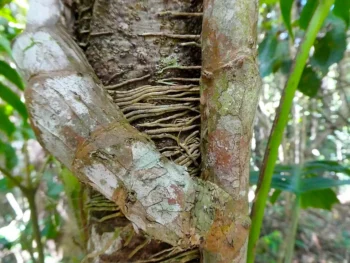
What makes centipede tongavine attractive to gardeners? This vine produces large, glossy green leaves that can develop interesting holes and splits (called fenestrations) as they mature. The aerial roots it develops help it climb surfaces naturally, creating a lush, tropical look that many gardeners find irresistible.
Its climbing nature makes it versatile – you can train it up trellises, let it cascade from hanging baskets, or even use it as an unusual ground cover in the right conditions.
Garden Role and Landscape Use
In tropical and subtropical gardens, centipede tongavine can serve as an eye-catching climber or dramatic ground cover. It’s particularly well-suited for:
- Tropical-themed landscapes
- Areas where you want quick-growing green coverage
- Indoor houseplant collections (in cooler climates)
- Covered patios and greenhouse settings
Growing Conditions and Care
If you’re considering adding this vine to your collection, here’s what it needs to thrive:
Climate Requirements: Centipede tongavine is only hardy in USDA zones 10-12, meaning it can only survive outdoors year-round in truly tropical and subtropical areas. In cooler regions, it’s strictly an indoor plant.
Light and Water Needs: This plant prefers bright, indirect light and well-draining soil. Keep the soil consistently moist but not waterlogged – let it dry out slightly between waterings. High humidity will make it especially happy.
Planting and Care Tips:
- Provide sturdy support structures for climbing
- Prune regularly to control growth and prevent it from getting too aggressive
- Watch for rapid spreading, especially in ideal conditions
- In indoor settings, wipe leaves regularly to keep them glossy and dust-free
Wetland Considerations
Interestingly, this plant shows different wetland preferences depending on location. In the Atlantic and Gulf Coastal Plain, it’s considered an upland plant that rarely occurs in wetlands. However, in Caribbean and Hawaiian regions, it’s more flexible and can grow in both wetland and non-wetland areas.
Wildlife and Environmental Impact
As a non-native species, centipede tongavine’s benefits to local wildlife are limited compared to native alternatives. While it may provide some cover, it doesn’t offer the specialized relationships that native plants have with local pollinators and wildlife.
Should You Plant It?
The decision to grow centipede tongavine depends on your situation and priorities. If you’re gardening in zones 10-12 and want a tropical-looking climber, it can be a striking addition. However, consider these points:
Pros: Fast-growing, attractive foliage, relatively easy care, good for tropical aesthetics
Considerations: Non-native status means limited wildlife benefits, can spread aggressively in ideal conditions, requires warm climate for outdoor cultivation
Native Alternatives to Consider
If you’re interested in supporting local ecosystems, consider these native climbing alternatives:
- Native passion vines (Passiflora species) for butterfly support
- Coral honeysuckle (Lonicera sempervirens) for hummingbird appeal
- Native grape vines (Vitis species) for wildlife food
These native options will provide similar climbing beauty while supporting local wildlife and maintaining ecological balance.
The Bottom Line
Centipede tongavine can be an attractive addition to tropical gardens or indoor plant collections, but it’s worth weighing its non-native status against your gardening goals. If you do choose to grow it, be mindful of its spreading nature and consider incorporating native plants alongside it to support your local ecosystem. Remember, the best garden is one that reflects both your personal style and environmental consciousness!