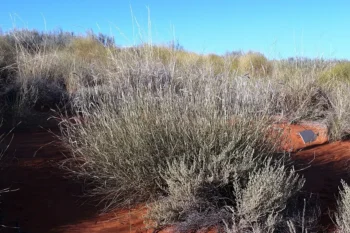
Centropodia glauca: A Delicate Ornamental Grass Worth Knowing
If you’re looking to add subtle texture and movement to your garden, you might want to get acquainted with Centropodia glauca. This charming little grass doesn’t make a big fuss about itself, but that’s exactly what makes it special. Sometimes the most understated plants create the most beautiful effects in our landscapes.
What Exactly Is Centropodia glauca?
Centropodia glauca is a graminoid – fancy speak for a grass-like plant that belongs to the vast grass family. You might occasionally see it listed under its old name, Danthonia glauca, but don’t let that confuse you. It’s the same delightful little grass that forms neat, compact tufts with narrow, blue-green to grayish-green leaves that catch the light just so.
Where Does It Come From?
This grass calls southern Africa home, particularly thriving in the varied landscapes of South Africa. It’s adapted to conditions that would make many other plants throw in the towel – think rocky outcrops, well-drained slopes, and areas where water isn’t exactly abundant.
Why Consider Growing Centropodia glauca?
Here’s where this little grass really shines – or rather, doesn’t try to steal the spotlight, which is exactly the point:
- Subtle beauty: Its delicate seed heads dance in the breeze, creating gentle movement without overwhelming other plants
- Drought tolerance: Once established, it laughs in the face of dry conditions
- Low maintenance: Perfect for gardeners who prefer plants that don’t demand constant attention
- Textural interest: Adds fine texture that complements both bold architectural plants and delicate perennials
Perfect Garden Settings
Centropodia glauca isn’t trying to be the star of every garden show. Instead, it excels in specific settings where its understated charm can really shine:
- Rock gardens where drainage is excellent
- Mediterranean-style landscapes
- Dry gardens and xerophytic plantings
- As a fine-textured companion to succulents and drought-tolerant perennials
- Naturalistic plantings that mimic grassland environments
Growing Conditions and Care
The good news is that Centropodia glauca isn’t particularly fussy, but it does have some non-negotiable preferences:
Sunlight: Full sun is essential – this grass loves basking in bright light all day long.
Soil: Well-draining soil is absolutely critical. Whether it’s sandy, gravelly, or rocky, as long as water doesn’t sit around the roots, this grass will be happy. Heavy, clay soils that stay moist are not its friend.
Water: While it needs regular water to get established, once settled in, it becomes remarkably drought tolerant. Overwatering is more likely to cause problems than underwatering.
Climate: Best suited for USDA hardiness zones 8-10, where winters are mild and it can continue growing year-round.
Planting and Care Tips
Getting started with Centropodia glauca is refreshingly straightforward:
- Timing: Plant in spring or early fall when temperatures are moderate
- Spacing: Give each plant enough room to form its natural tuft without crowding
- Initial care: Water regularly for the first few weeks while roots establish
- Ongoing maintenance: Minimal pruning needed; simply remove any dead or damaged growth
- Fertilizing: Generally unnecessary in most soils – this grass prefers lean conditions
Wildlife and Pollinator Considerations
While Centropodia glauca is wind-pollinated and doesn’t offer the flashy flowers that bees and butterflies seek out, it still plays a role in the garden ecosystem. Birds may appreciate the seeds, and the tufted growth provides shelter for small creatures.
Is This Grass Right for Your Garden?
Centropodia glauca might be perfect for you if you’re drawn to plants with quiet elegance rather than bold statements. It’s ideal for gardeners who appreciate subtle textures and want something reliable that won’t demand constant attention. However, if you’re looking for a grass that provides significant wildlife habitat or you garden in areas with heavy, moisture-retentive soils, you might want to explore other options.
Consider pairing it with other drought-tolerant plants that share similar growing conditions – think lavender, salvias, or Mediterranean herbs. The combination creates a cohesive look while ensuring all your plants are happy with the same care routine.
Sometimes the most rewarding plants are the ones that don’t shout for attention but quietly contribute to the overall beauty of our gardens. Centropodia glauca might just be one of those understated gems worth getting to know.