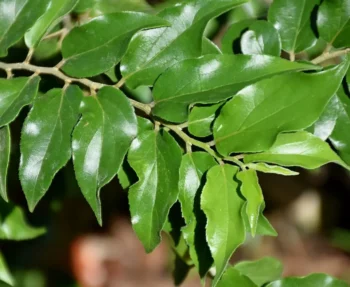
Ceylon Gooseberry: A Thorny Tropical Fruit Worth Considering
If you’re looking to add some exotic flavor to your tropical garden, the Ceylon gooseberry (Dovyalis hebecarpa) might just catch your interest. This spiky little character brings both fruit and a bit of attitude to warm-climate landscapes, though it’s worth knowing what you’re getting into before you plant one.
What Exactly Is Ceylon Gooseberry?
Ceylon gooseberry is a perennial shrub that typically grows as a multi-stemmed woody plant, usually staying under 13-16 feet tall. Don’t let the gooseberry name fool you—this isn’t your typical temperate garden gooseberry. This thorny customer produces small, purple-black berries with a distinctly tart flavor that’s quite popular in its native range.
You might occasionally see it listed under its botanical synonym Aberia gardneri, but Dovyalis hebecarpa is the accepted name these days.
Where Does It Come From?
Originally hailing from Sri Lanka and southern India, Ceylon gooseberry has made itself at home in several warm locations around the world. In the United States, you’ll find it growing in Hawaii and Puerto Rico, where it has established itself as a non-native species that reproduces on its own in the wild.
- Species observed
- No observations
The Good, The Bad, and The Thorny
Let’s be honest about what you’re signing up for with Ceylon gooseberry:
The Appeal:
- Produces edible, vitamin C-rich berries with a unique tart flavor
- Relatively low-maintenance once established
- Can serve double duty as a thorny security hedge
- Drought tolerant when mature
- Small white flowers provide some interest for pollinators
The Challenges:
- Seriously thorny—not great near walkways or play areas
- Non-native species (though not currently listed as invasive)
- Limited cold tolerance
- Fruit production can be inconsistent
Growing Conditions and Care
Ceylon gooseberry is pretty easygoing once you get it settled in the right spot. It thrives in USDA hardiness zones 9-11, so unless you’re in consistently warm, frost-free areas, this isn’t the plant for you.
What It Needs:
- Full sun to partial shade (full sun for best fruiting)
- Well-draining soil—it won’t tolerate soggy roots
- Minimal watering once established
- Space to spread (remember those thorns!)
In terms of moisture preferences, Ceylon gooseberry is definitely an upland plant. In Hawaii, it can occasionally tolerate some wetness, but in the Caribbean region, it almost never grows in wetland conditions.
Planting and Care Tips
Getting your Ceylon gooseberry off to a good start isn’t rocket science:
- Plant in spring when frost danger has passed
- Give it plenty of space—at least 6-8 feet from walkways due to thorns
- Water regularly during establishment, then scale back
- Prune for shape and to remove dead wood, but wear heavy gloves!
- Harvest berries when they turn dark purple-black and yield slightly to pressure
A Word About Native Alternatives
While Ceylon gooseberry can be a interesting addition to tropical gardens, consider exploring native fruiting plants first. Depending on your location, native options like Hawaiian native berries or Caribbean native fruits might offer similar benefits while supporting local ecosystems better.
If you do decide to plant Ceylon gooseberry, be a responsible gardener—keep an eye on it to ensure it doesn’t spread beyond your intended area, and consider removing it if it starts showing up uninvited in natural areas nearby.
The Bottom Line
Ceylon gooseberry is one of those plants that’s neither hero nor villain—it’s just a thorny shrub with edible fruit that happens to be far from home. If you’re in the right climate, have space for a spiky character, and want to try something different in your edible landscape, it might be worth a shot. Just remember to respect its thorns, understand its non-native status, and maybe explore native alternatives first.
After all, the best gardens are the ones that work with nature, not against it—even when that nature happens to come with a serious case of attitude and some very sharp points.