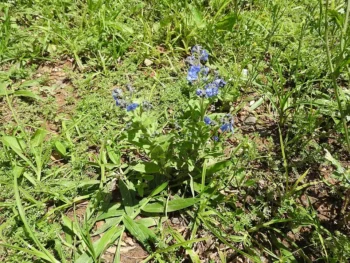
Ceylon Hound’s Tongue: A Resilient Blue-Flowered Wildflower for Southern Gardens
If you’re looking for a low-maintenance flowering plant that can handle tough conditions, Ceylon hound’s tongue (Cynoglossum furcatum) might catch your eye. This unassuming wildflower has quietly made itself at home in parts of the southeastern United States, bringing small clusters of blue blooms to gardens and naturalized areas alike.
What Is Ceylon Hound’s Tongue?
Ceylon hound’s tongue is a biennial to perennial forb – essentially a non-woody flowering plant that dies back to the ground each year but returns from its roots. Originally native to Sri Lanka (formerly Ceylon) and other parts of tropical Asia, this hardy little plant has established itself as a naturalized resident in several southern states.
You might also encounter this plant listed under its botanical synonym, Cynoglossum zeylanicum, in older gardening references or plant databases.
Where Does It Grow?
Currently, Ceylon hound’s tongue has naturalized and can be found growing wild in Florida, Louisiana, Mississippi, Texas, and Puerto Rico. As a non-native species that reproduces on its own without human intervention, it has proven quite adaptable to these warm, humid climates.
- Species observed
- No observations
Garden Appeal and Landscape Role
While Ceylon hound’s tongue won’t win any beauty contests, it has a quiet charm that works well in informal garden settings. The small blue flowers appear in branching clusters, creating a delicate, airy effect that complements bolder flowering plants. Its rough-textured leaves add interesting texture variation to mixed plantings.
This plant works best in:
- Naturalized wildflower areas
- Coastal gardens where salt tolerance is needed
- Low-maintenance landscape borders
- Areas where you want self-seeding ground cover
Growing Conditions and Care
One of Ceylon hound’s tongue’s biggest selling points is its easygoing nature. This plant thrives in USDA hardiness zones 8-11 and isn’t particularly fussy about its growing conditions. It tolerates poor soils, drought conditions, and can handle both full sun and partial shade – though it seems to prefer some afternoon protection in the hottest climates.
Care requirements are minimal:
- Water occasionally during establishment, then rely on natural rainfall
- No fertilization needed – it actually prefers lean soils
- Allow it to self-seed for natural colony expansion
- Cut back spent flower stems if you want to prevent excessive spreading
Wildlife and Pollinator Benefits
The small blue flowers attract various pollinators, including small bees and butterflies, providing nectar during its blooming period. While not a powerhouse pollinator plant, it does contribute to the overall diversity of food sources available to beneficial insects in your garden.
Should You Plant Ceylon Hound’s Tongue?
This really depends on your gardening goals and philosophy. Ceylon hound’s tongue is a well-behaved non-native that isn’t considered invasive or problematic in its current range. It’s drought-tolerant, low-maintenance, and provides modest ornamental and ecological value.
However, if you’re focused on supporting native ecosystems and wildlife, you might consider these native alternatives that offer similar benefits:
- Wild bergamot (Monarda fistulosa) for pollinator-friendly flowers
- Blue-eyed grass (Sisyrinchium angustifolium) for delicate blue blooms
- Lanceleaf coreopsis (Coreopsis lanceolata) for easy-care wildflower appeal
The Bottom Line
Ceylon hound’s tongue is a reliable, undemanding plant that can fill a niche in informal southern gardens. While it may not be the showstopper of your landscape, it’s the kind of steady performer that quietly does its job – blooming reliably, requiring minimal care, and adapting to whatever conditions you throw at it. Whether you choose this naturalized newcomer or opt for native alternatives, the most important thing is creating a garden that brings you joy while supporting the local ecosystem.