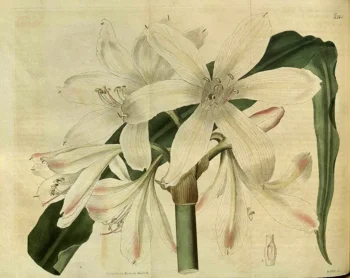
Ceylon Swamplily: A Fragrant Tropical Beauty for Warm-Climate Gardens
If you’re looking to add some tropical flair to your garden with show-stopping blooms and incredible fragrance, the Ceylon swamplily might just catch your eye. This striking perennial, scientifically known as Crinum zeylanicum, brings dramatic white flowers and lush foliage to landscapes in warmer climates.
What Exactly is Ceylon Swamplily?
Ceylon swamplily is a bulbous perennial that belongs to the amaryllis family. As a forb (a non-woody flowering plant), it produces clusters of large, fragrant white flowers that look like exotic lilies. The plant forms attractive clumps of strap-like leaves that create a bold architectural presence in the garden.
You might occasionally see this plant referenced by its synonyms, including Amaryllis zeylanicum or Crinum latifolium var. zeylanicum, but Ceylon swamplily rolls off the tongue much easier!
Where Does It Come From?
Originally native to Sri Lanka (formerly Ceylon, hence the name) and parts of tropical Asia, this plant has made itself at home in several U.S. locations. Today, you’ll find established populations in Florida, Louisiana, Puerto Rico, and the U.S. Virgin Islands, where it reproduces naturally without human intervention.
- Species observed
- No observations
Should You Plant Ceylon Swamplily?
Here’s the thing about Ceylon swamplily—it’s not native to the continental United States, but it’s also not considered invasive or problematic. This puts it in a sort of gardening gray area where the choice is really up to you and your gardening philosophy.
The Case for Growing It:
- Spectacular, fragrant flowers that bloom in impressive clusters
- Tolerates a range of moisture conditions, from wet to moderately dry
- Low-maintenance once established
- Attracts nighttime pollinators like moths with its sweet fragrance
- Creates dramatic focal points in tropical-style landscapes
Things to Consider:
- As a non-native species, it won’t provide the same ecological benefits as native plants
- Limited to warm climates (USDA zones 9-11)
- May self-seed and spread in ideal conditions
Native Alternatives Worth Considering
If you’re leaning toward native plants (and we always encourage that!), consider these beautiful alternatives that offer similar appeal:
- String lily (Crinum americanum) – Florida’s native swamp lily
- Spider lily species (Hymenocallis) – Native to various southeastern states
- Rain lily (Zephyranthes) – Native bulbs with charming smaller flowers
Growing Ceylon Swamplily Successfully
If you decide to give Ceylon swamplily a try, here’s how to keep it happy:
Ideal Growing Conditions:
- Climate: USDA zones 9-11 (zone 8 with winter protection)
- Light: Full sun to partial shade
- Soil: Moist, well-draining soil, though it adapts to various moisture levels
- Water: Regular watering during growing season, can tolerate some drought
Planting Tips:
- Plant bulbs with the neck slightly above soil level
- Space plants 3-4 feet apart to allow for mature spread
- Choose a location where you can enjoy the evening fragrance
- Apply mulch for winter protection in marginal zones
Care and Maintenance:
- Water regularly during active growth periods
- Divide overcrowded clumps every 3-4 years
- Remove spent flowers to prevent excessive self-seeding
- In colder zones, consider container growing so you can move plants indoors
Garden Design Ideas
Ceylon swamplily works beautifully in several landscape settings:
- As a specimen plant near patios where you can enjoy the evening fragrance
- Along pond edges or in rain gardens
- In tropical-themed borders mixed with palms and other exotic plants
- As background plantings in perennial beds
The Bottom Line
Ceylon swamplily offers undeniable beauty and fragrance for gardeners in warm climates. While it’s not native to the U.S., it’s also not problematic enough to avoid entirely. If you choose to grow it, you’ll be rewarded with stunning blooms and intoxicating fragrance. Just remember to deadhead spent flowers to prevent excessive spreading, and consider balancing your landscape with native alternatives that support local wildlife.
Whether you go native or embrace this exotic beauty, the most important thing is creating a garden that brings you joy while being mindful of your local ecosystem.