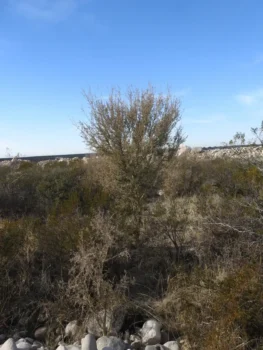
Chañar: The Drought-Busting Wonder Tree You’ve Never Heard Of
Meet the chañar (Geoffroea decorticans), a South American tree that’s quietly making waves in water-wise gardening circles. This quirky little tree might just be the answer to your drought-stressed landscape prayers – assuming you live in the right climate zone, of course!
What Exactly Is a Chañar?
The chañar, also known by its scientific name Geoffroea decorticans (formerly called Gourliea decorticans), is a small to medium-sized tree that’s part of the legume family. Think of it as nature’s way of combining a fruit tree, a shade provider, and a conversation starter all in one thorny package.
This South American native calls Argentina, Bolivia, Chile, Paraguay, and southern Peru home, where it has evolved to thrive in some pretty challenging conditions. It’s basically the botanical equivalent of that friend who can survive on crackers and optimism.
Why Your Garden Might Love This Tree
Here’s where the chañar really shines – it’s practically maintenance-free once established. The tree produces small, bright yellow flowers that pollinators absolutely adore, followed by sweet, edible orange-red pods that taste somewhat like dates. Plus, its distinctive peeling bark adds visual interest year-round.
The chañar works beautifully as:
- A specimen tree in drought-tolerant landscapes
- Part of an edible garden design
- A unique addition to Mediterranean-style gardens
- A conversation piece in xerophytic plant collections
Growing Conditions and Care
If you’re in USDA zones 9-11, you’re in luck! The chañar loves full sun and well-draining soil – the more challenging, the better. This tree actually prefers poor soils and can handle drought conditions that would make other trees wave the white flag.
Here’s your chañar care cheat sheet:
- Plant in full sun with excellent drainage
- Water regularly during the first year, then back off dramatically
- Protect young trees from frost
- Prune carefully – those thorns mean business!
- Fertilizing is usually unnecessary (this tree likes the tough-love approach)
The Thorny Truth
Let’s be honest – the chañar isn’t for everyone. Those thorns are no joke, making it less than ideal for high-traffic areas or homes with small children. The tree also has a somewhat irregular growth habit that some might find untidy, though others appreciate its natural, wild appearance.
Wildlife and Pollinator Benefits
The bright yellow flowers are a magnet for bees and other pollinators during blooming season. The sweet pods also attract birds, though you might find yourself competing with them for the tasty treats!
Is Chañar Right for Your Garden?
Consider planting chañar if you’re looking for an unusual, low-maintenance tree that can handle tough conditions while providing food and supporting pollinators. It’s perfect for gardeners who want something different and don’t mind working around a few thorns.
However, if you prefer native species, consider drought-tolerant alternatives native to your region instead. Desert willow, palo verde, or mesquite might provide similar benefits while supporting local ecosystems.
The chañar may not be the flashiest tree on the block, but for the right gardener in the right climate, it offers a unique combination of resilience, utility, and charm that’s hard to beat. Just remember to plant it where those thorns won’t catch unsuspecting visitors!