Chamaecrista: A Tropical Ground Cover for Pacific Gardens
If you’re gardening in the tropical Pacific and looking for a low-maintenance ground cover, you might have encountered chamaecrista (Chamaecrista mimosoides). This small legume has quietly established itself in places like Guam and Palau, where it grows as a naturalized plant. But should you welcome it into your garden? Let’s explore what makes this little plant tick.
What is Chamaecrista?
Chamaecrista, also known by its botanical name Chamaecrista mimosoides or its synonym Cassia mimosoides, is a tropical legume that originally hails from South America. It’s part of the large pea family, which means it has the handy ability to fix nitrogen in the soil – always a plus for gardeners looking to improve their earth naturally.
This isn’t a native species to the Pacific Basin, but it has become established in the wild in Guam and Palau, where it reproduces on its own without any help from humans. Think of it as that neighbor who moved in from out of town and decided to stay permanently.
Geographic Distribution
Currently, chamaecrista has made itself at home in Guam and Palau within the Pacific Basin region. It’s adapted well to the tropical climate of these islands, though it hasn’t spread to Hawaii.
- Species observed
- No observations
What Does It Look Like?
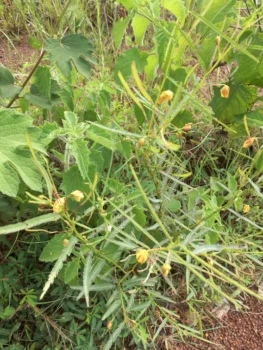
Chamaecrista is a charming little plant with delicate, compound leaves that have a neat party trick – they fold up when touched, similar to the sensitive plant (Mimosa pudica). The small yellow flowers are simple but cheerful, appearing throughout the growing season and attracting small pollinators like bees and butterflies.
As a ground-hugging plant, chamaecrista stays relatively low and spreads outward, making it useful for covering bare ground or controlling erosion on slopes.
Garden Role and Landscape Use
In the garden, chamaecrista works well as:
- Ground cover in naturalized areas
- Erosion control on slopes or disturbed soil
- Nitrogen-fixing plant to improve soil fertility
- Low-maintenance filler in informal garden spaces
Growing Conditions
This adaptable plant thrives in USDA hardiness zones 10-11, which means it’s strictly for tropical and subtropical climates. Chamaecrista prefers:
- Full sun to partial shade
- Well-draining soils (it’s quite forgiving of poor soil quality)
- Moderate to low water once established
- Warm temperatures year-round
Planting and Care Tips
The good news about chamaecrista is that it’s refreshingly low-maintenance. Once established, it’s quite drought-tolerant and doesn’t need much fussing over. It self-seeds readily, so you might find new plants popping up around your garden – something to keep in mind if you prefer more controlled plantings.
Since it’s a legume, chamaecrista actually improves the soil by fixing nitrogen, which neighboring plants will appreciate. Just give it some space to spread and occasional water during dry spells.
Should You Plant Chamaecrista?
Here’s where things get interesting. While chamaecrista isn’t causing any known ecological havoc, it is a non-native species that has naturalized in Pacific island ecosystems. As responsible gardeners, we have an opportunity to support native biodiversity by choosing indigenous plants when possible.
If you’re drawn to chamaecrista’s qualities – nitrogen-fixing ability, ground cover habit, and pollinator appeal – consider exploring native alternatives that provide similar benefits while supporting local wildlife and ecosystems. Native legumes and ground covers in your area might offer the same practical advantages with the added bonus of belonging naturally to your local environment.
The Bottom Line
Chamaecrista is an easy-going plant that can certainly do the job if you need quick ground cover or soil improvement in tropical gardens. However, as we become more conscious of supporting native ecosystems, it’s worth exploring what indigenous plants might serve the same purpose in your landscape. Your local native plant society or extension office can be great resources for discovering beautiful native alternatives that will thrive in your specific location.
After all, the most sustainable garden is one that works with nature rather than against it – and that often means starting with the plants that have called your area home for centuries.