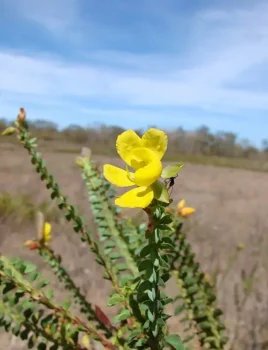
Chamaecrista ramosa: A Delicate South American Beauty for Warm Climate Gardens
If you’re looking for a charming, low-maintenance plant that brings a touch of South American flair to your garden, Chamaecrista ramosa might just catch your eye. This delicate member of the legume family offers sunny yellow blooms and feathery foliage that can add texture and color to the right garden setting.
What is Chamaecrista ramosa?
Chamaecrista ramosa is a small flowering shrub native to South America, particularly found in Brazil and neighboring regions. You might also see it listed under its botanical synonym, Cassia ramosa Vogel, in older gardening references. While it doesn’t have a widely recognized common name, this little plant has been quietly making its way into specialty gardens in warmer climates.
Where Does It Come From?
This plant calls South America home, thriving in the warm, sunny conditions of its native Brazil and surrounding countries. It’s adapted to regions with distinct wet and dry seasons, which gives us clues about how to successfully grow it in our own gardens.
What Does It Look Like?
Chamaecrista ramosa is a real charmer in the looks department. Here’s what you can expect:
- Small, bright yellow flowers that seem to glow in the sunlight
- Delicate, pinnately compound leaves that give it a feathery, fine-textured appearance
- Low-growing, shrubby habit that works well as a ground cover
- Compact size that won’t overwhelm smaller garden spaces
Growing Conditions and Care
The good news? Chamaecrista ramosa is pretty easygoing once you understand its preferences. This plant loves:
- Full sun: Give it at least 6-8 hours of direct sunlight daily
- Well-drained soil: It won’t tolerate soggy conditions
- Warm temperatures: Hardy in USDA zones 9-11 only
- Minimal water once established: Drought tolerant after the first growing season
For planting, start with seeds in spring after the last frost. The seeds are relatively easy to germinate, and the plant may even self-seed in favorable conditions. Water regularly during establishment, then back off once the plant shows strong growth.
Garden Uses and Design Ideas
This South American native works beautifully in:
- Xerophytic or drought-tolerant garden designs
- Naturalized landscape areas
- Pollinator gardens (bees and butterflies love those yellow blooms!)
- Ground cover applications in warm climates
- Container gardens that can be moved indoors in colder areas
Pollinator and Wildlife Benefits
Those cheerful yellow flowers aren’t just pretty to look at – they’re also valuable to local pollinators. Bees and butterflies are particularly drawn to the blooms, making this plant a nice addition to any pollinator-friendly garden design.
Should You Plant It?
Here’s where things get a bit nuanced. While Chamaecrista ramosa can be a lovely addition to warm-climate gardens, it’s important to remember that it’s not native to North America. If you’re passionate about supporting local ecosystems with native plants (and we always encourage that!), you might want to consider native alternatives first.
Some wonderful North American native alternatives that offer similar benefits include:
- Wild senna (Senna hebecarpa) for yellow flowers and pollinator appeal
- Partridge pea (Chamaecrista fasciculata) – a native cousin with similar delicate foliage
- Various native Cassia species depending on your region
That said, if you’re in zones 9-11 and looking for something unique for a specialized garden design, Chamaecrista ramosa can be grown responsibly as long as you monitor it to ensure it doesn’t spread beyond your intended planting area.
The Bottom Line
Chamaecrista ramosa offers delicate beauty and easy care for gardeners in warm climates. While it’s not a native plant, it can be a responsible choice for specialty gardens when grown thoughtfully. Just remember to prioritize native species when possible, and always keep an eye on any non-native plants to ensure they’re playing nicely with your local ecosystem. Happy gardening!