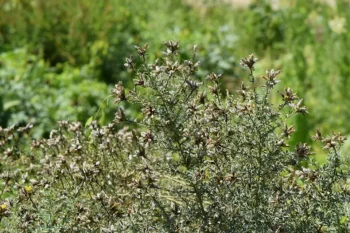
Chamaecytisus: A Mediterranean Shrub for California Gardens
If you’re looking for a low-maintenance shrub that can handle California’s dry conditions, you might have come across chamaecytisus (Chamaecytisus). This Mediterranean native has found its way into Golden State gardens, bringing with it both benefits and considerations that every gardener should know about.
What is Chamaecytisus?
Chamaecytisus is a genus of perennial shrubs that belong to the pea family. These multi-stemmed woody plants typically stay under 13-16 feet tall, making them perfect for medium-sized garden spaces. You might also see them listed under their old scientific name, Chamaecystis, but don’t let that confuse you – it’s the same plant!
Where Does Chamaecytisus Grow?
Originally from the Mediterranean region and Canary Islands, chamaecytisus has made itself at home in California. It’s considered a non-native species that has naturalized in the state, meaning it can reproduce and spread on its own without human intervention.
- Species observed
- No observations
Why Gardeners Choose Chamaecytisus
There are several reasons why this Mediterranean shrub catches gardeners’ attention:
- Drought tolerance: Once established, it handles dry conditions like a champ
- Low maintenance: Perfect for busy gardeners or water-wise landscapes
- Pollinator friendly: The small, pea-like yellow flowers attract bees and other beneficial insects
- Erosion control: Great for stabilizing slopes and hillsides
- Mediterranean charm: Adds authentic Mediterranean flair to your landscape
Growing Conditions and Care
Chamaecytisus thrives in conditions similar to its Mediterranean homeland:
- Sunlight: Full sun exposure for best flowering and growth
- Soil: Well-draining soil is essential – these plants hate wet feet
- Water: Drought tolerant once established, but appreciates occasional deep watering during dry spells
- Climate: Generally hardy in USDA zones 7-10, perfect for most of California
Planting and Care Tips
Getting your chamaecytisus off to a good start is pretty straightforward:
- Plant in fall or early spring when temperatures are mild
- Choose a spot with excellent drainage – consider raised beds if your soil is heavy
- Water regularly the first year to help establish roots, then reduce frequency
- Minimal pruning needed, but you can shape after flowering if desired
- Watch for self-seeding – remove unwanted seedlings if they appear
Things to Consider
While chamaecytisus can be a valuable garden addition, there are a few things to keep in mind. As a non-native species, it may not provide the same ecological benefits as plants that evolved alongside local wildlife. It also has the potential to self-seed and spread beyond where you originally planted it.
Native Alternatives to Consider
If you love the idea of a drought-tolerant, flowering shrub but prefer to go native, consider these California alternatives:
- Ceanothus species (California lilac): Gorgeous blue or white flowers, excellent for pollinators
- Arctostaphylos species (Manzanita): Beautiful bark, pink or white flowers, and berries for wildlife
- Salvia species (Native sages): Fragrant foliage and flowers that hummingbirds and bees adore
The Bottom Line
Chamaecytisus can be a practical choice for Mediterranean-style gardens and challenging sites where you need a tough, drought-tolerant shrub. Just remember to keep an eye on its spreading tendencies and consider whether a native alternative might better serve both your garden goals and local ecosystem. Whatever you choose, you’ll be creating a more sustainable and water-wise landscape that can handle California’s unique climate challenges.