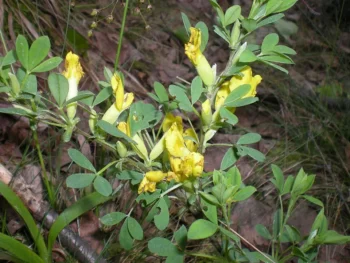
Chamaecytisus ratisbonensis: A Mysterious Plant with Limited Information
If you’ve stumbled across the name Chamaecytisus ratisbonensis while researching plants for your garden, you might find yourself scratching your head – and you wouldn’t be alone! This botanical name presents quite the puzzle for gardeners and plant enthusiasts alike.
What We Know (And Don’t Know)
Chamaecytisus ratisbonensis is listed in some botanical databases with the synonym Cytisus ratisbonensis Schaeff., placing it within the broom family. However, here’s where things get tricky: reliable, detailed information about this specific plant is remarkably scarce. Unlike well-documented native plants that we typically recommend for gardens, this species seems to exist in a botanical gray area.
The Challenge with Obscure Plant Names
Sometimes plant names appear in databases or lists without comprehensive growing information, native status, or even confirmation that they represent currently recognized species. This appears to be the case with Chamaecytisus ratisbonensis. We don’t have reliable information about:
- Its native range or geographical distribution
- Common names it might go by
- Growing conditions and care requirements
- USDA hardiness zones
- Wildlife or pollinator benefits
- Whether it’s invasive, rare, or even currently recognized as a valid species
What Should Gardeners Do?
If you’re interested in plants from the Chamaecytisus genus, we’d recommend focusing on well-documented species with clear growing information and known native status. The broom family includes many beautiful flowering shrubs, but it’s important to choose species that:
- Have clear identification and growing information
- Are appropriate for your local ecosystem
- Won’t become invasive problems
- Support local wildlife when possible
Better Alternatives
Instead of pursuing a plant with uncertain information, consider researching native alternatives in your area that provide similar aesthetic appeal. Your local native plant society, extension office, or reputable native plant nurseries can help you identify beautiful, well-documented species that will thrive in your garden while supporting local ecosystems.
The Bottom Line
While Chamaecytisus ratisbonensis might appear in some botanical references, the lack of reliable growing information, native status, and detailed species data makes it impossible to recommend for garden use. When it comes to gardening, especially native gardening, it’s always best to stick with well-documented plants that have clear benefits and known growing requirements.
Remember: a successful garden starts with choosing the right plants, and the right plants are ones we can actually learn about and grow successfully!