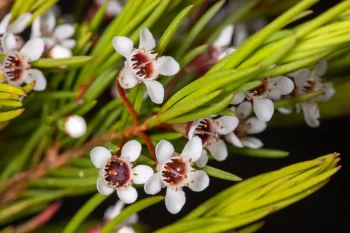
Chamelaucium: The Delicate Beauty That Brings Australian Charm to Your Garden
If you’ve ever dreamed of adding a touch of Australian elegance to your garden, chamelaucium might just be the plant you’ve been searching for. This graceful shrub, with its cloud-like clusters of delicate flowers and fine, needle-like foliage, brings an otherworldly beauty that’s hard to resist.
What Makes Chamelaucium Special?
Chamelaucium, commonly known simply as chamelaucium, is a genus of flowering shrubs that hails from the sun-soaked landscapes of southwestern Western Australia. These plants are beloved for their ethereal appearance – imagine tiny, star-shaped flowers in soft whites, pinks, and purples dancing on slender branches. The needle-like leaves add texture and movement, creating an almost fairy-tale quality in the garden.
Where Does Chamelaucium Come From?
This Australian native calls the Mediterranean climate regions of southwestern Western Australia home, where it has adapted to sandy soils, bright sunshine, and relatively dry conditions. In its natural habitat, chamelaucium thrives in areas that experience wet winters and dry summers.
Why Consider Chamelaucium for Your Garden?
There are several compelling reasons to give chamelaucium a spot in your landscape:
- Drought tolerance: Once established, these plants are remarkably water-wise
- Long flowering season: Blooms can last for months, providing extended color
- Cut flower potential: The delicate blooms make stunning additions to bouquets
- Low maintenance: Requires minimal care once properly established
- Pollinator friendly: Attracts bees and other beneficial insects
The Perfect Garden Match
Chamelaucium shines brightest in Mediterranean-style gardens, drought-tolerant landscapes, and rock gardens. It’s particularly well-suited for gardeners in USDA hardiness zones 9-11 who want to create water-wise landscapes without sacrificing beauty. The plant typically grows as a medium-sized shrub, making it perfect for mixed borders or as a specimen plant.
Growing Chamelaucium Successfully
The key to chamelaucium success lies in understanding its Australian origins and mimicking those conditions:
Location and Soil
Choose a spot with full sun exposure – these plants absolutely love bright light. The soil must drain exceptionally well; soggy conditions are chamelaucium’s worst enemy. Sandy or gravelly soils work best, and if you have heavy clay, consider building raised beds or adding plenty of sand and organic matter to improve drainage.
Watering Wisdom
While establishing your chamelaucium (usually the first year), provide regular water to help roots develop. Once established, these plants prefer to stay on the dry side. Water deeply but infrequently, allowing the soil to dry out between waterings.
Care and Maintenance
Chamelaucium is refreshingly low-maintenance. Light pruning after flowering helps maintain shape and encourages bushier growth, but avoid heavy pruning as these plants don’t respond well to severe cutting back.
A Word About Native Alternatives
While chamelaucium isn’t native to North American gardens, it’s not considered invasive either. However, if you’re passionate about supporting local ecosystems, consider exploring native alternatives that might provide similar aesthetic appeal while supporting local wildlife. Your local native plant society can help you identify beautiful native flowering shrubs suited to your specific region.
The Bottom Line
Chamelaucium offers gardeners in warm climates a chance to grow something truly special – a plant that combines exotic beauty with practical drought tolerance. While it may not be native to your area, when grown responsibly in appropriate climates, it can add a unique and stunning element to water-wise gardens. Just remember: excellent drainage and plenty of sunshine are non-negotiable for success with these Australian beauties.