Chandelier Plant: A Striking Succulent for Warm Climate Gardens
If you’re looking for a conversation starter in your garden, the chandelier plant might just be your ticket to botanical fame. With its quirky, tube-shaped leaves and architectural presence, this succulent brings a touch of the exotic to any landscape. But before you rush to the nursery, let’s dive into what makes this plant tick and whether it’s the right fit for your garden.
What is the Chandelier Plant?
The chandelier plant (Kalanchoe delagoensis) is a perennial succulent that’s as unique as its name suggests. You might also see it sold under its botanical synonyms like Bryophyllum tubiflorum or Kalanchoe tubiflora – don’t let the name game confuse you, they’re all the same plant!
This eye-catching succulent gets its common name from its distinctive growth pattern. The cylindrical, gray-green leaves grow in whorls around the stem, creating a tiered effect that resembles an upside-down chandelier. It’s definitely not your typical houseplant look!
Where Does It Come From?
Originally hailing from the island of Madagascar, the chandelier plant has made itself at home in warm regions around the world. In the United States, you’ll find it growing in Florida, Hawaii, Texas, and several U.S. territories including Guam and Puerto Rico. It’s what botanists call a naturalized plant – meaning it reproduces and persists in the wild without human help.
- Species observed
- No observations
The Good, The Bad, and The Beautiful
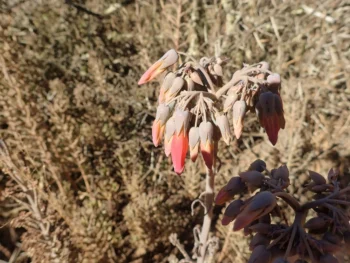
Let’s start with the good news: this plant is absolutely stunning and ridiculously easy to grow. The chandelier plant typically reaches 2-3 feet tall and produces clusters of orange-red tubular flowers that add a pop of color to the architectural foliage. It’s drought-tolerant, low-maintenance, and thrives in poor soils where other plants might struggle.
However, there’s a catch (isn’t there always?). This plant is a prolific reproducer. Tiny plantlets form along the leaf edges and drop to create new colonies. While this might sound fun, it means the chandelier plant can spread beyond where you originally planted it.
Growing Chandelier Plant Successfully
If you live in USDA hardiness zones 9-11 and want to give this plant a try, here’s how to keep it happy:
- Light: Full sun to partial shade – it’s not picky
- Soil: Well-draining soil is essential; this plant hates wet feet
- Water: Water deeply but infrequently; let soil dry between waterings
- Temperature: Protect from frost – bring containers indoors in colder areas
- Fertilizer: Minimal feeding needed; too much fertilizer can make it grow too fast
Design Ideas and Garden Roles
The chandelier plant shines in xeriscaping and drought-tolerant garden designs. Its architectural form makes it perfect for:
- Container gardens and patio displays
- Rock gardens and succulent collections
- Modern landscape designs requiring structural plants
- Coastal gardens where salt tolerance is needed
A Word of Caution
While the chandelier plant isn’t officially listed as invasive, its aggressive spreading habit means you should plant it thoughtfully. Consider growing it in containers to control its spread, or choose a location where you won’t mind if it multiplies.
Native Alternatives to Consider
If you love the architectural look but prefer native options, consider these alternatives based on your region:
- Desert regions: Native agave species or barrel cactus
- Coastal areas: Native sedums or coastal sage
- Southeastern states: Native yucca species
The Bottom Line
The chandelier plant is a striking, low-maintenance succulent that can add instant drama to warm-climate gardens. While it’s not native to the United States, it can be a valuable addition to drought-tolerant landscapes when grown responsibly. Just remember to keep an eye on its spreading habits and consider container growing if space is limited.
Whether you choose the chandelier plant or opt for native alternatives, the key is selecting plants that thrive in your specific conditions while supporting your local ecosystem. Happy gardening!